Learn a Set of Practical Ecological Agriculture Techniques in 3 Days | Now Recruiting for Training in Chengdu

Is growing things hard, or is selling them hard? For China’s ecological smallholder farmers, this is undoubtedly a “heavenly question” on par with “which came first, the chicken or the egg.”
But when this heavenly question is compounded by so many external factors troubling farmers—climate change, declining consumer spending, price-cutting by distribution channels, labour shortages, rising production costs—then it truly becomes “difficulty stacked upon difficulty.”
More and more smallholder farmers are also finding that, faced with increasingly severe climate and market challenges, fellow farmers need to improve their ecological agriculture techniques even more, adopting farming methods that are low-cost, efficient, easy to master, and more resilient, so as to grow high-quality produce.
What does this kind of “technique” actually look like? How can ecological agriculture training truly address the practical needs of fellow farmers?
As a non-profit platform advocating for sustainable food and farming systems, Foodthink published a “baseline survey on ecological agriculture training” in early 2024, gaining a comprehensive understanding of the ecological agriculture technique needs of small and medium-scale ecological farmers and farmer cooperatives across the country.
Building on this, Foodthink held three “co-learning camps for building local ecological agriculture systems” in 2024, 2025, and 2026, at two communities in Guangdong and at Yangqiao Village in Lianhua County, Pingxiang, Jiangxi. The camps received high praise from participants.
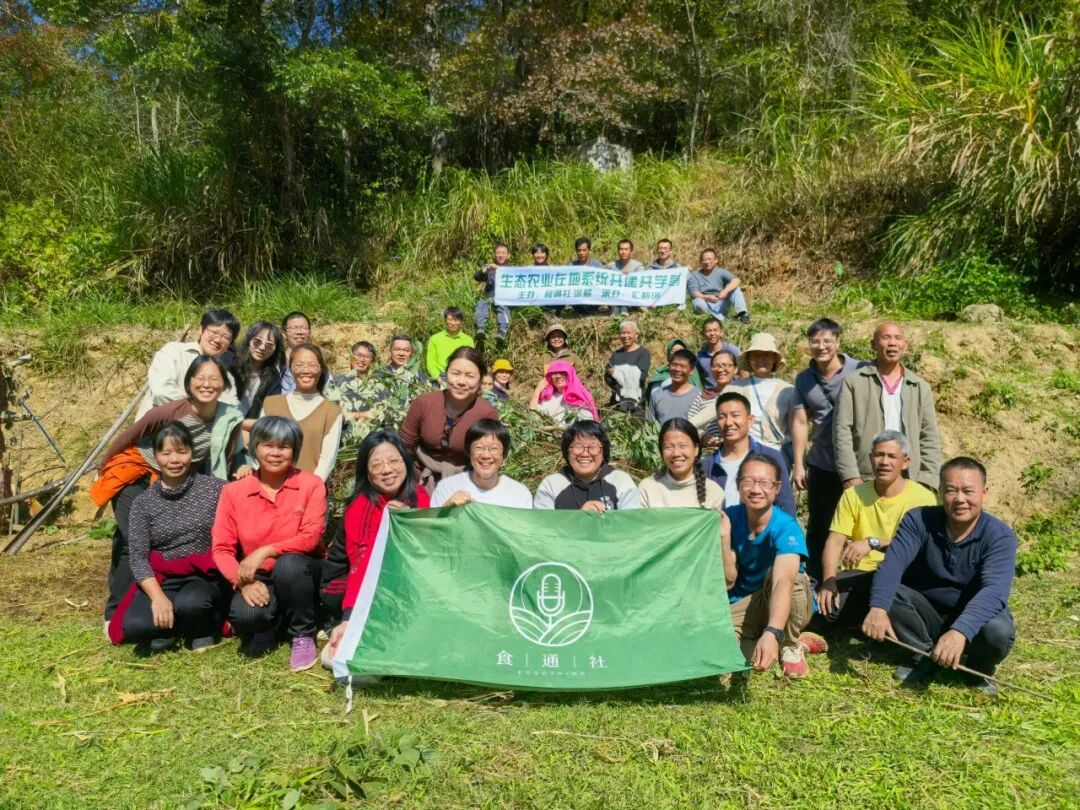
● The first co-learning camp was held at Xianniangxi in Conghua, Guangzhou. Photo: Atang
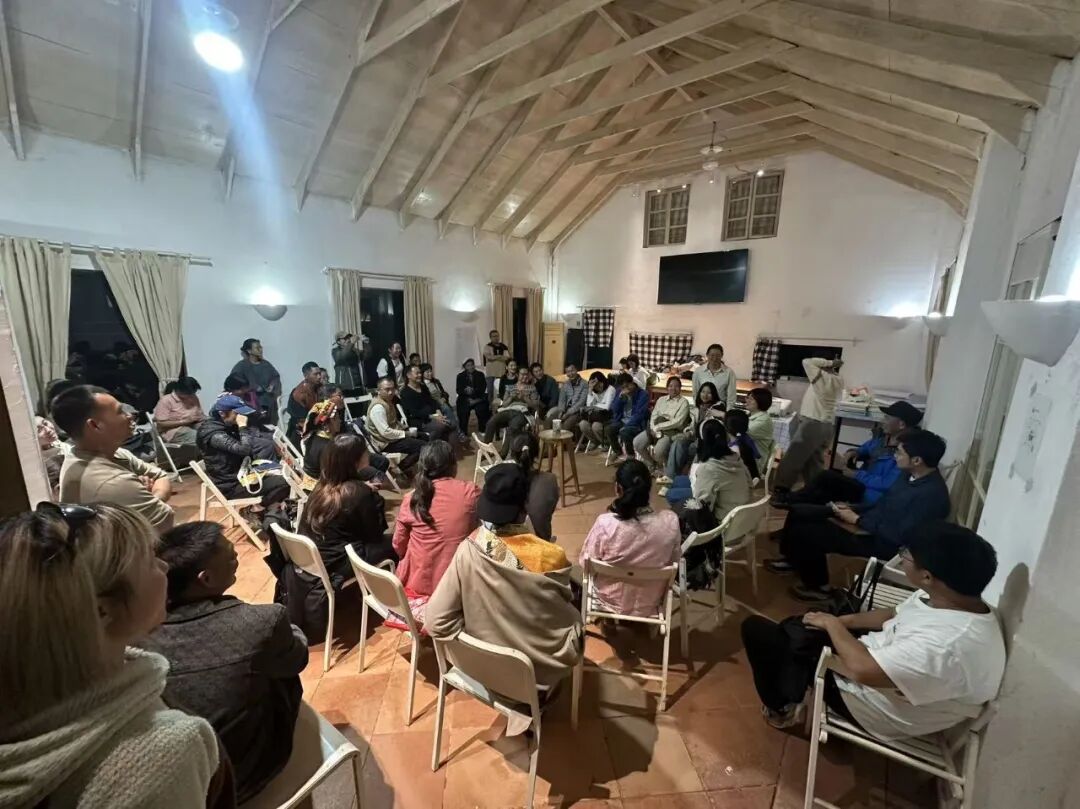
● A training session. The second co-learning camp was held at Huiling Farm in Conghua, Guangzhou. Photo: Lingyu
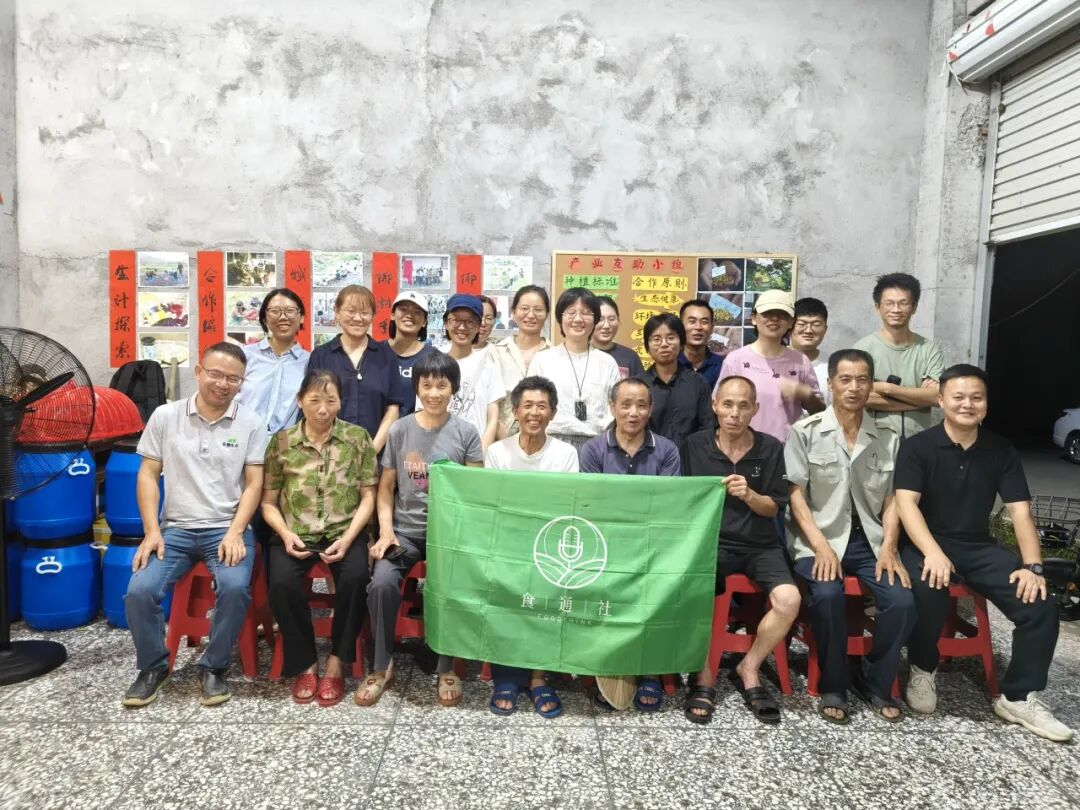
● The second co-learning camp came to Yangqiao Village, Lianhua County, Pingxiang City, Jiangxi.
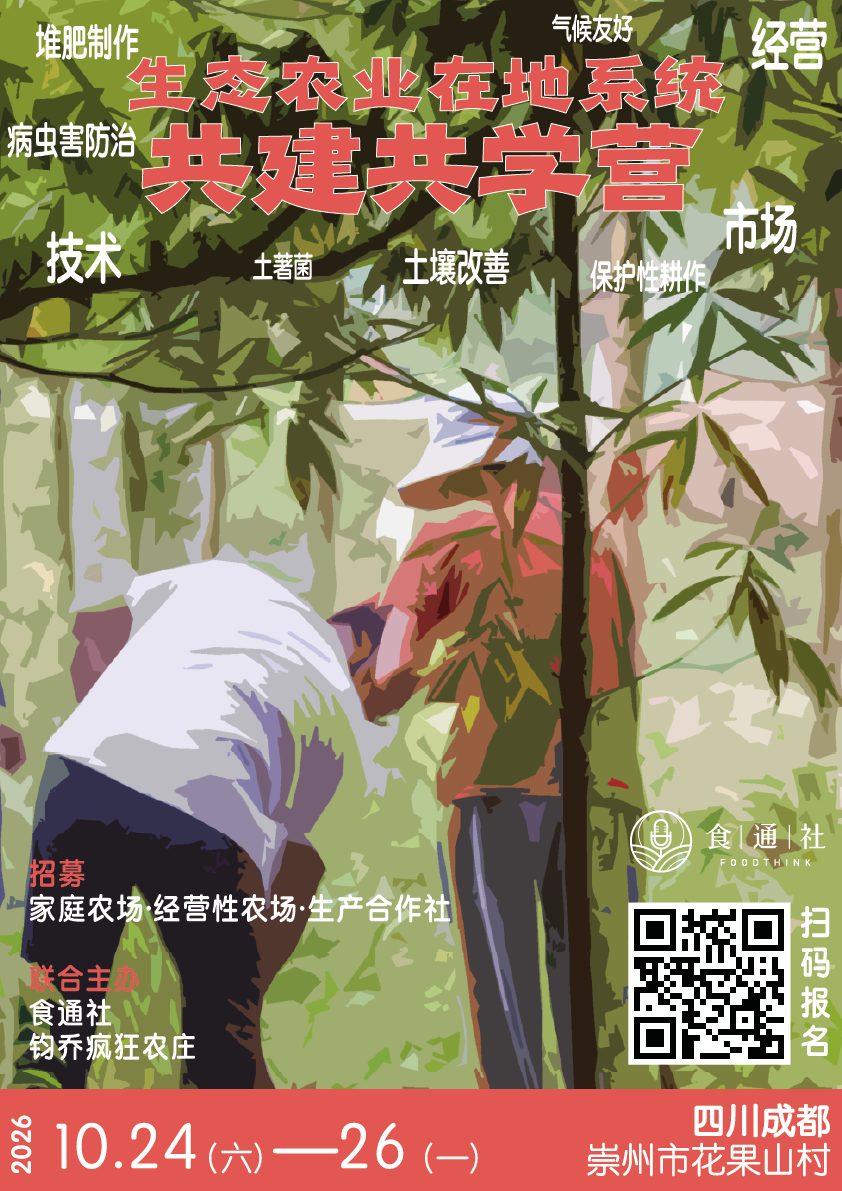
The fourth co-learning camp is about to begin! From 24–26 October 2026, Foodthink will once again invite two “local experts” who have accumulated extensive experience in ecological smallholder-friendly agricultural technique training, along with farm mentors who have grown through years of practice and co-learning, to hold a three-day “co-learning camp for building local ecological agriculture systems” in Huaguoshan Village, Gongyi Township, Chongzhou, Sichuan, helping more fellow farmers who are already practising ecological agriculture or looking to transition in that direction to sharpen their techniques and clarify their path forward.
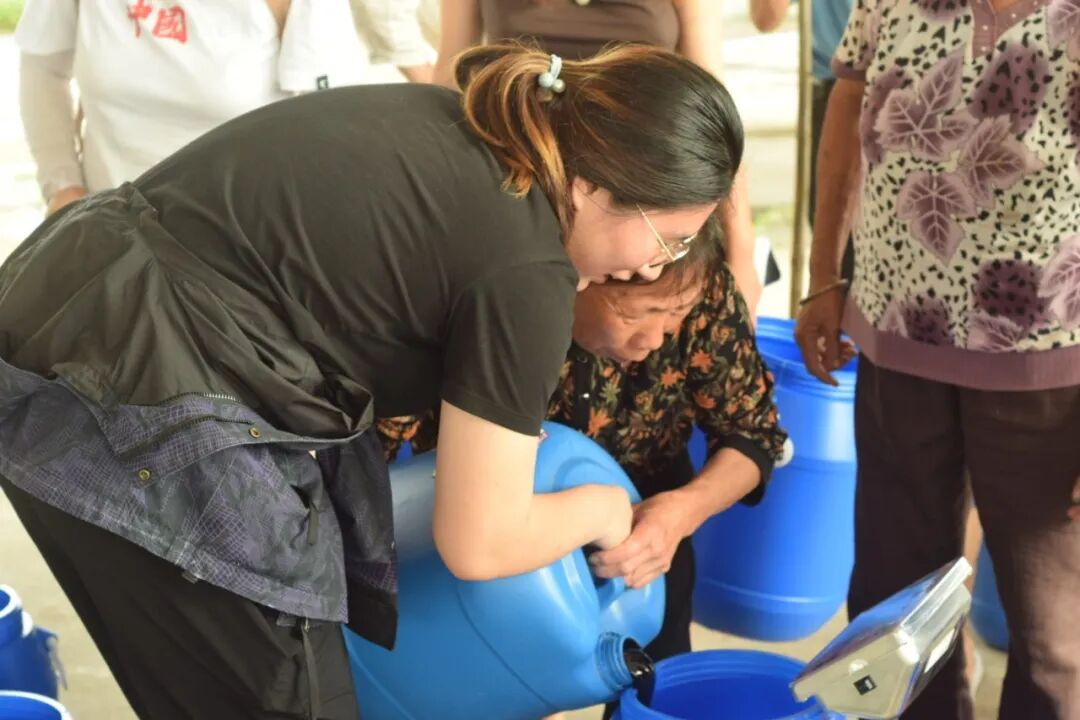
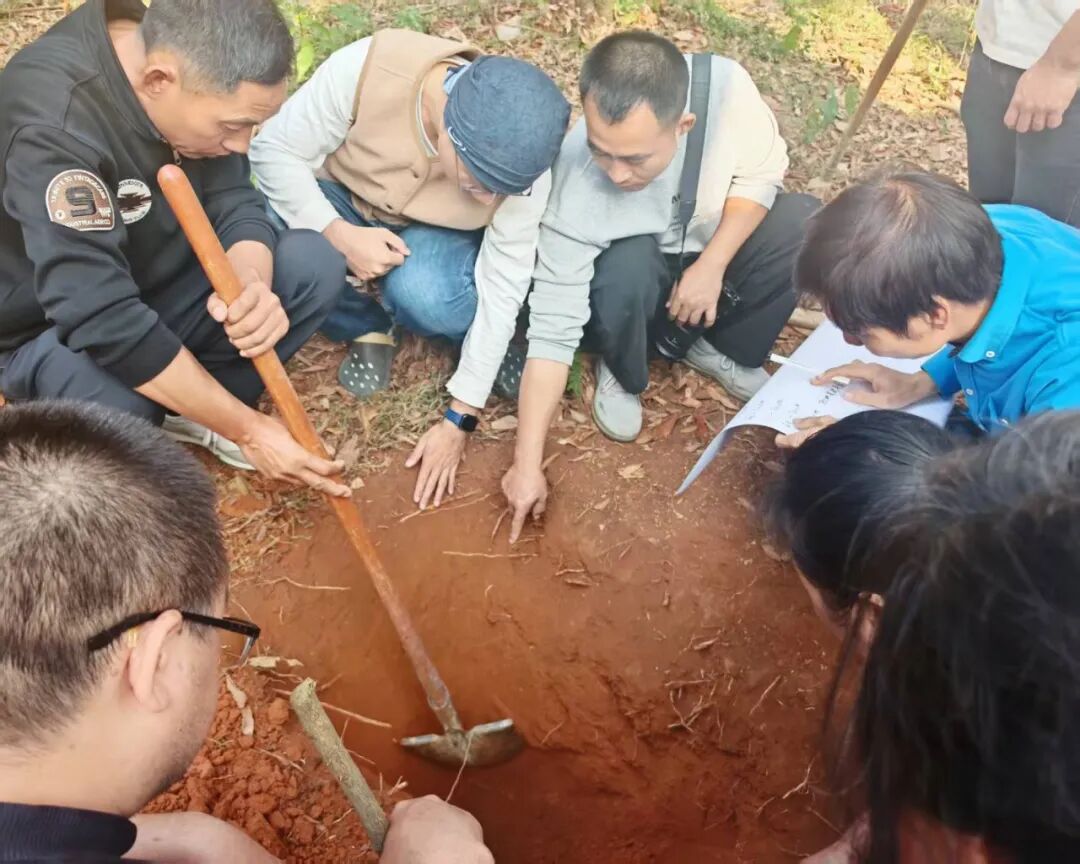
● At the co-learning camp, participants make enzyme preparations and observe the soil under the guidance of farm mentors.
In the ecological agriculture community, techniques are divided into many schools of thought, each with its own theoretical framework and technical standards. Like sects in the world of martial arts, once you join a particular school, you may find yourself confined by its boundaries.
The two “local experts” leading the co-learning camp have been deeply rooted in the industry for over 20 years. We believe that ecological agriculture theory and techniques should serve farmers, not become a cost or a barrier to practising ecological agriculture.
Therefore, the co-learning camp does not rigidly adhere to any one theory or technical standard. Instead, it starts from everyday practice, beginning with how we view our relationship with nature, and enters through the principle of balance in how we coexist with the natural world. From there, we examine the most important yet most easily overlooked foundation of agricultural production—carbon source supplementation—contemplating the relationships between us and our crops, between crops and soil, and between crops and animals (including microorganisms). In the eyes of ecological agriculture, insects are not “enemies that must be zeroed out.” How we view the relationship between insects and crops, and how we stabilise the system, are also topics we will learn and discuss together. Over these few days, we will explore production techniques and methods that balance one another—methods that can address the issues farmers care about most: yield, quality, and cost.
This co-learning camp will take place in Huaguoshan Village, Gongyi Township, Chongzhou, Sichuan. Given the regional nature of agriculture, we cannot offer a mature, complete solution—this is an approach of supplementing and refining as we practise. If you are also interested in exchanging such practical experience, you are welcome to join us.
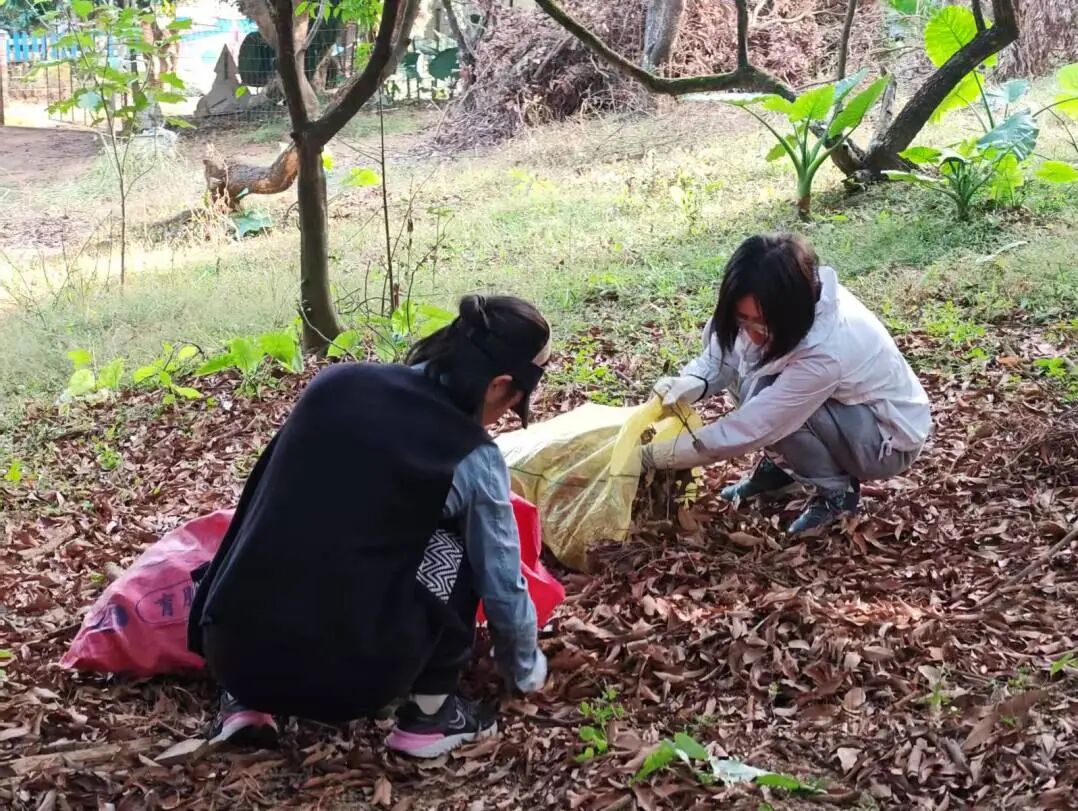
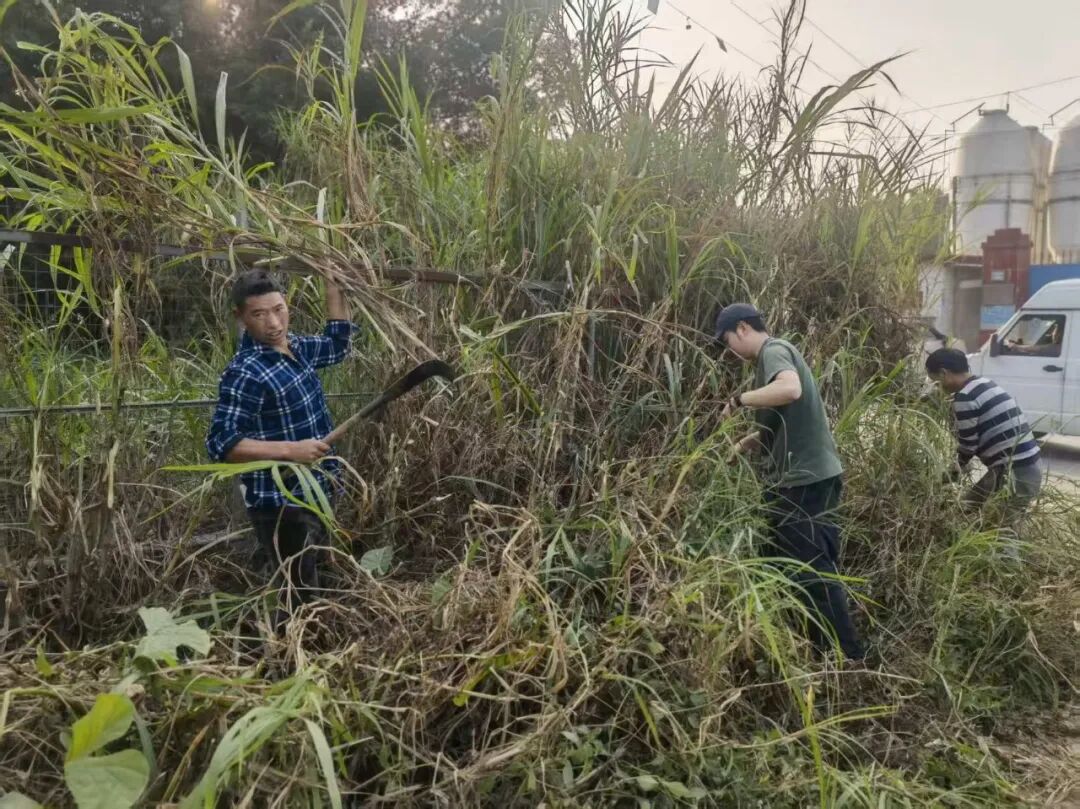
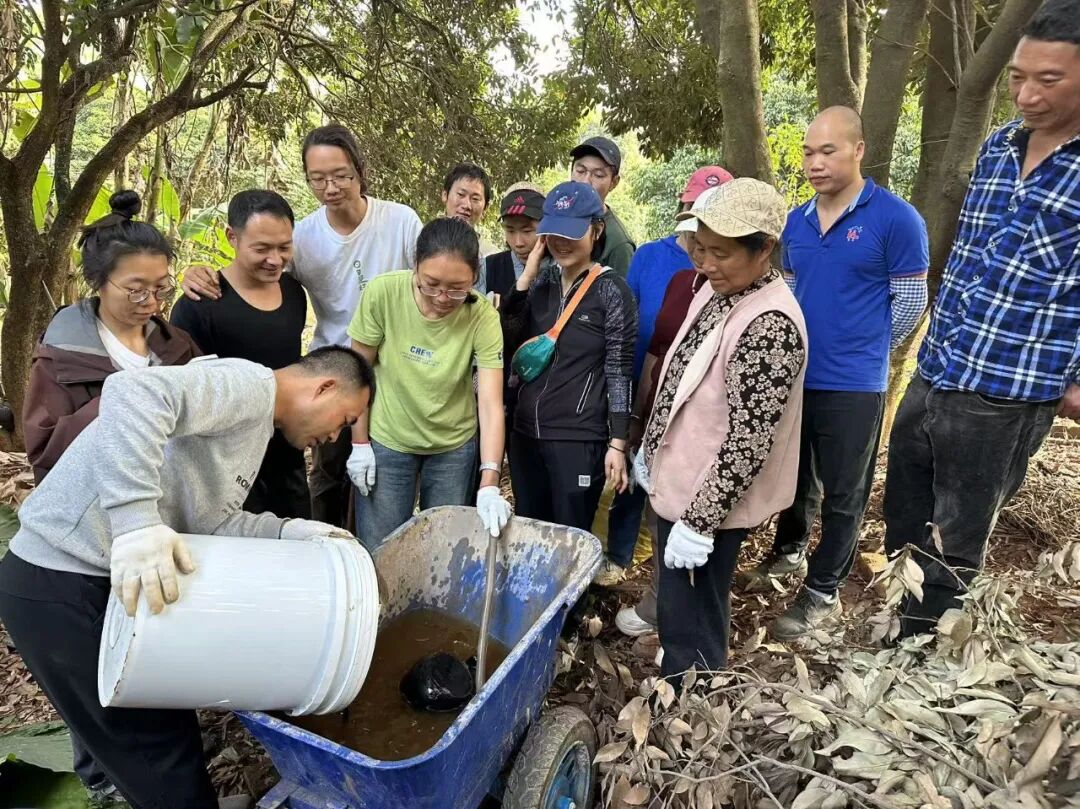
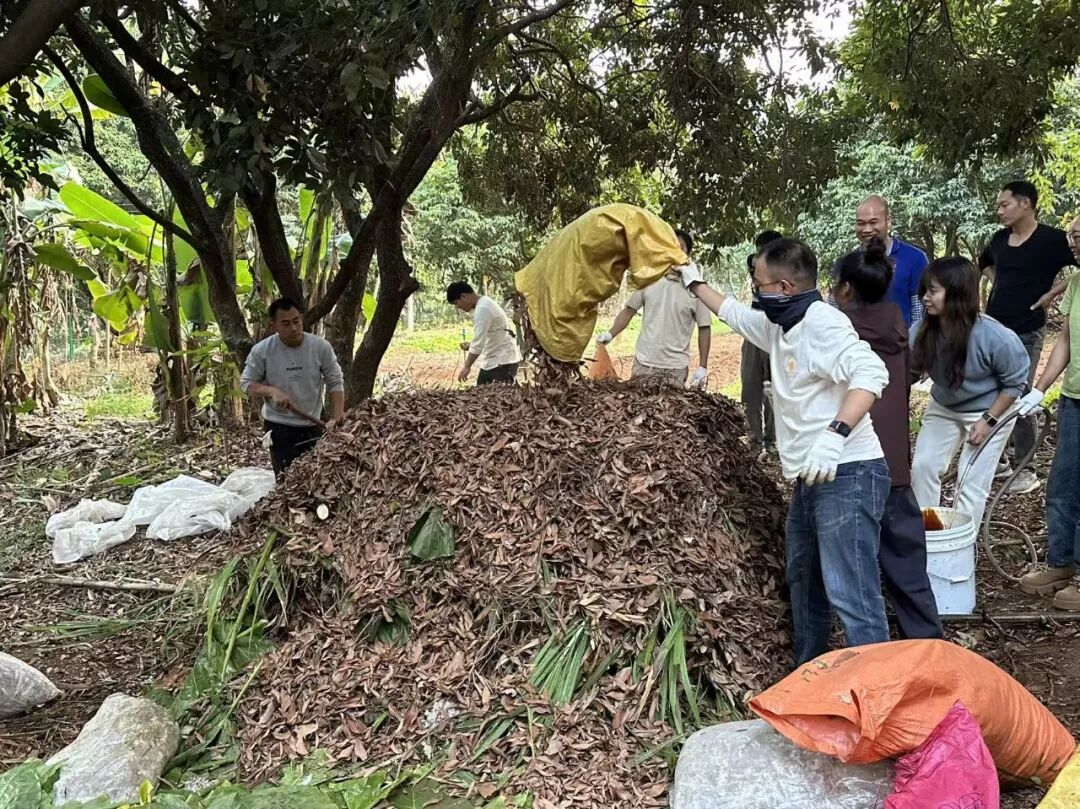
● Collect fresh grass and dried leaves on-site at the farm, then add brown sugar water and animal manure to make thermophilic compost.
In past experience, the natural conditions of a farm’s location, the personality of the owner, the original motivation behind running the farm, the crops and livestock raised, and the scale of operations all give rise to different development models and management philosophies. Like the agricultural diversity we often speak of, these cases are each with their own flowers and fruits. That is why “find yourself, see others, become us” is a crucial step in running an ecological farm.
That is why the co-learning camp invites farm mentors who have developed their own production techniques by drawing on local resources. Thanks to each person’s unique experience and perspective, they have not only practised and accumulated a wealth of practical, effective techniques but also developed different understandings of agricultural life—understandings that can guide us in seeing ecological agriculture from many different angles.
In the same way, these shared experiences offer moments of clash and reference: How do we practise ecological agriculture? How do we settle down and build a life back in the countryside? How do we reposition ourselves, and how do we read the market?
If you face a similar dilemma and want to break through it, come and join us. We may not be able to answer every one of your questions, but one more companion on the road means one more possibility.
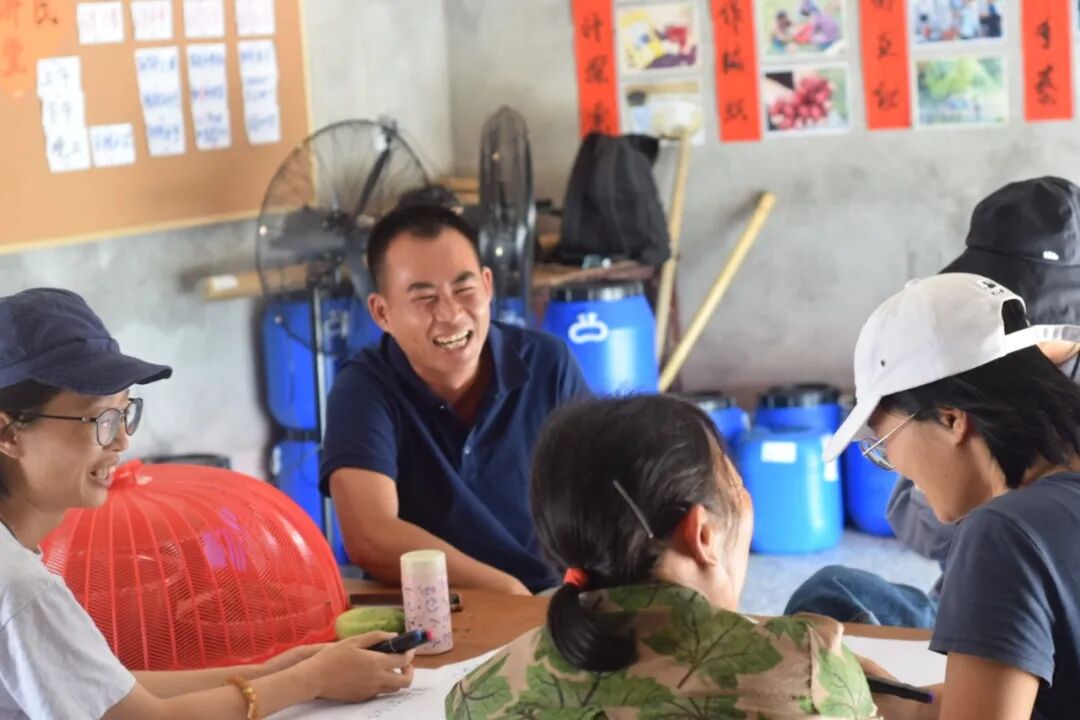
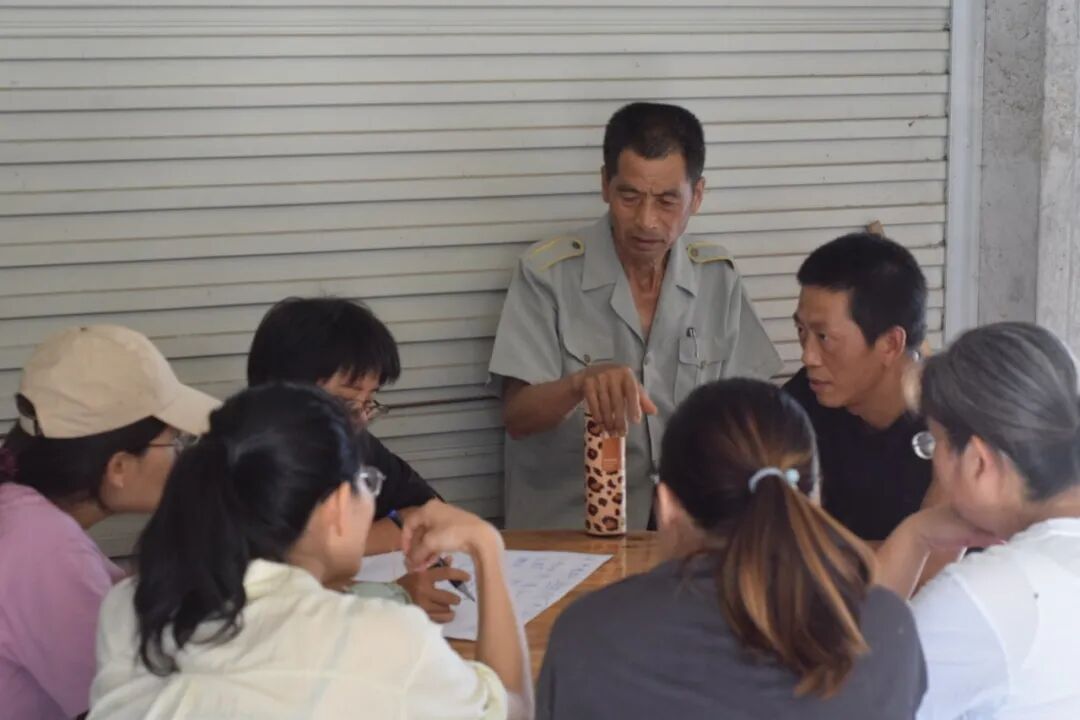
● A group discussion session during class.
– Basic Information –
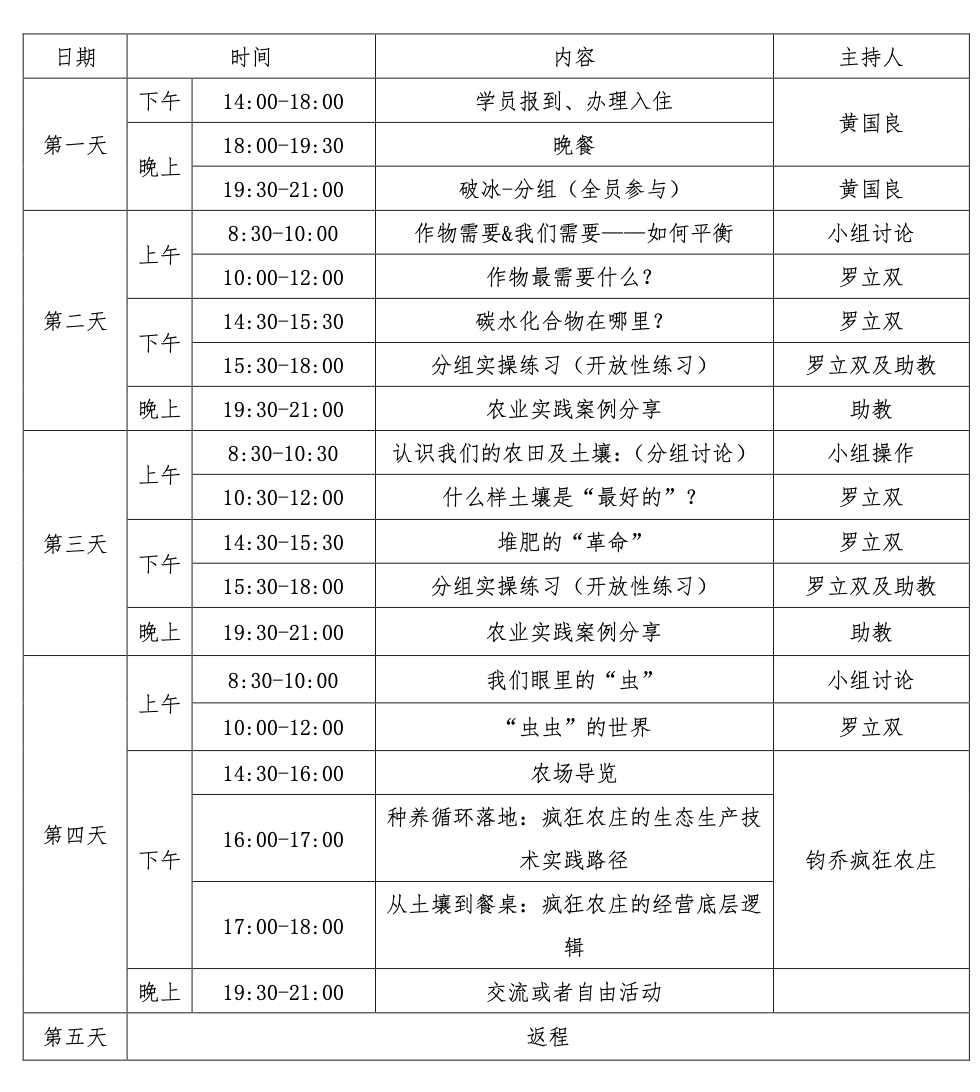
– Schedule –
– Accommodation, Meals and Travel –
The co-learning camp is held at Junqiao Crazy Farm, where meals and accommodation are also on-site, so food and lodging are charged together at 120 yuan per person per day. Rooms are multi-occupancy, and all meals are prepared with organically grown produce.
Junqiao Crazy Farm was founded in 2002 by Mother Hu, originally from Taiwan. A nationally recognised ecological farm and a Sichuan provincial education base, it follows an integrated crop-and-livestock closed cycle and upholds the motto “What I grow, what I raise, I take responsibility for.” The farm is structured as an eco-friendly, low-carbon agricultural park dedicated to “respecting nature’s laws, happy animals, joyful vegetables, and safe food on your table,” using the CSA model to deliver fresh vegetables, milk, eggs and other healthy produce to its members.
Feel free to follow the farm’s daily life in advance. WeChat Channels & Official Account: 钧乔疯狂农庄; Xiaohongshu: 钧乔疯狂农庄
[Self-drive / Taxi | The Easiest Option]
Approximately 61 km in total, about one hour by car. Simply search for “钧乔疯狂农庄” (Junqiao Crazy Farm) in your navigation. A taxi costs around 160–180 yuan; ideal for groups and those with luggage.
[Ride-Hailing Pool | Best Value]
Use Didi, Hello or Amap carpool services. Departure point: Chengdu Railway Station; destination: Junqiao Crazy Farm. Shared ride 70–90 yuan | Private hire 110–140 yuan.
[Tianfu Xing + Local Motor Tricycle | Intercity Convenience]
1. Take the metro to TCM University & Provincial Hospital station, buy a ticket on the “Tianfu Xing” mini-program, and ride a shuttle van direct to Yuantong Town. Fare: 27 yuan.
2. After arriving in Yuantong Town, transfer to a motor tricycle or minivan for the final 5–6 km to the farm, about 20–30 yuan (negotiate the fare on the spot). Services are limited, so be sure to book in advance.
[Metro + Bus | Budget but Slow]
Take the metro from Chengdu Railway Station to Wansheng Station, transfer to a Chongzhou bus, get off at Miaopu stop, then take a motor tricycle to the farm. Total journey approximately 3.5 hours; total cost around 11 yuan. Expect quite a bit of walking.
[Intercity High-Speed Rail + Bus]
Take the metro from Chengdu Railway Station to Chengdu West Station, then the intercity high-speed train to Chongzhou Station. Transfer to Bus Route 306 to Yuantong Town, then take a motor tricycle to the farm. Total journey approximately two hours.
*A Friendly Reminder
The farm is located in a rural area and public transport does not go right to the door. Once you reach Yuantong Town, tell the motor tricycle driver to go to “Huaguoshan Dairy Farm”. During public holidays, we recommend booking Tianfu Xing or a carpool in advance.
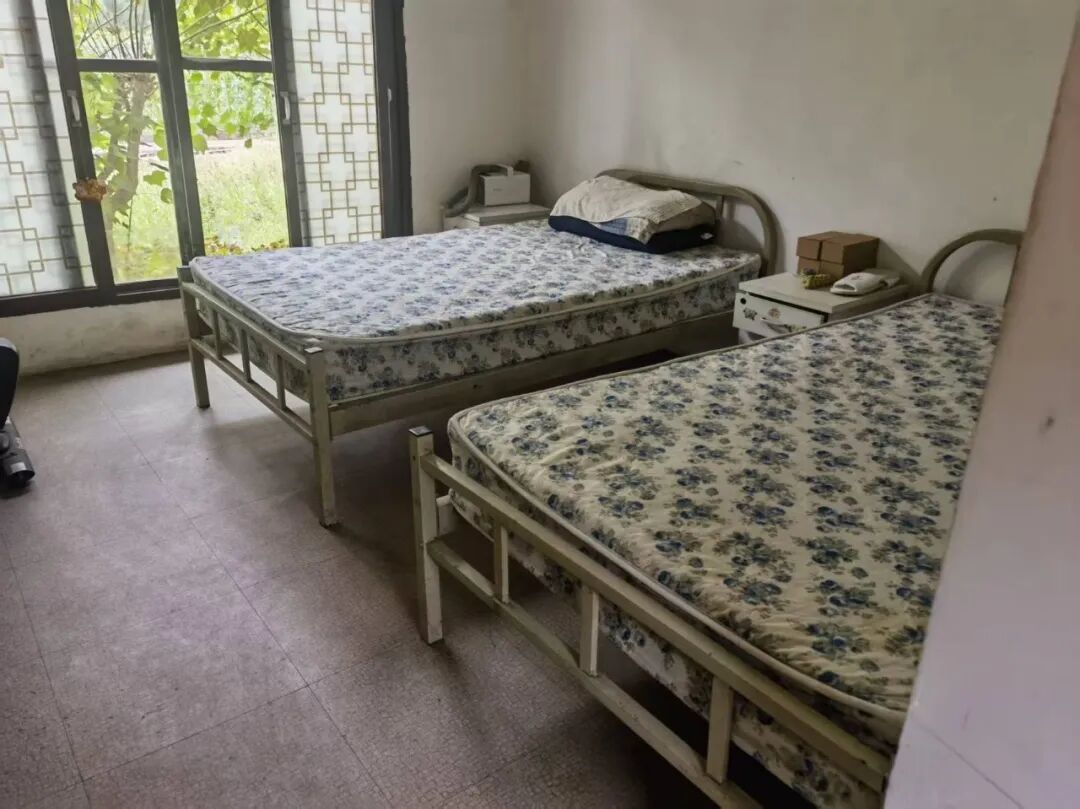
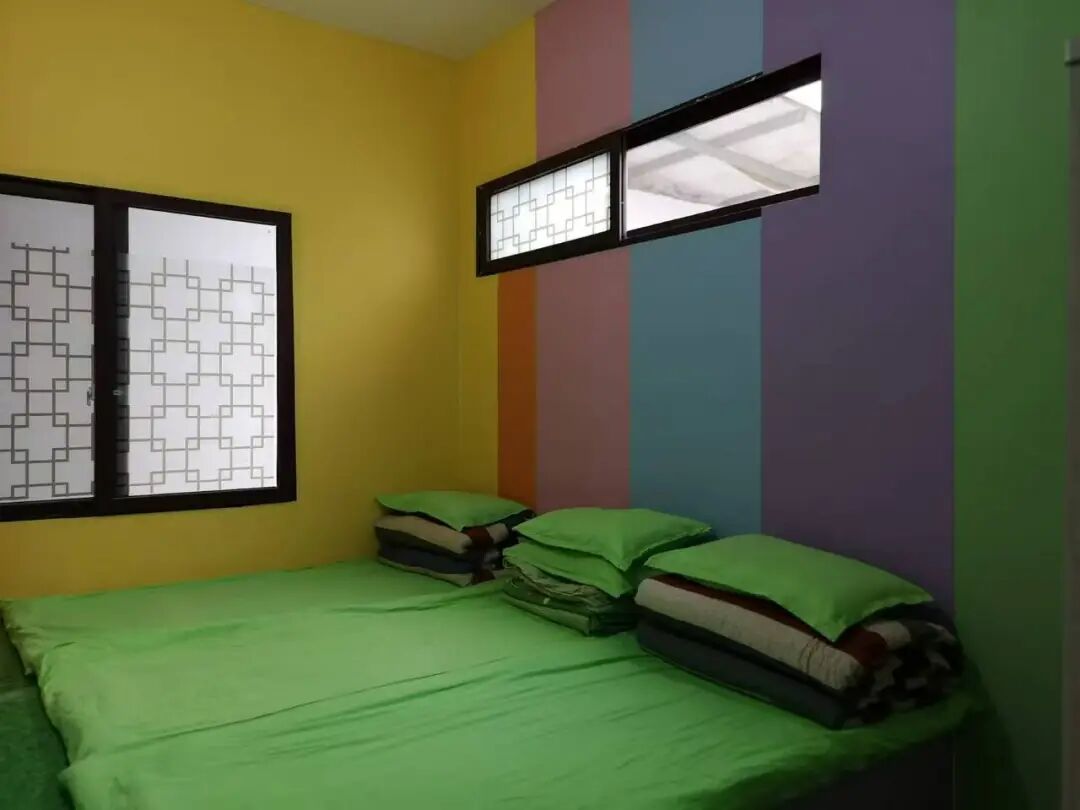
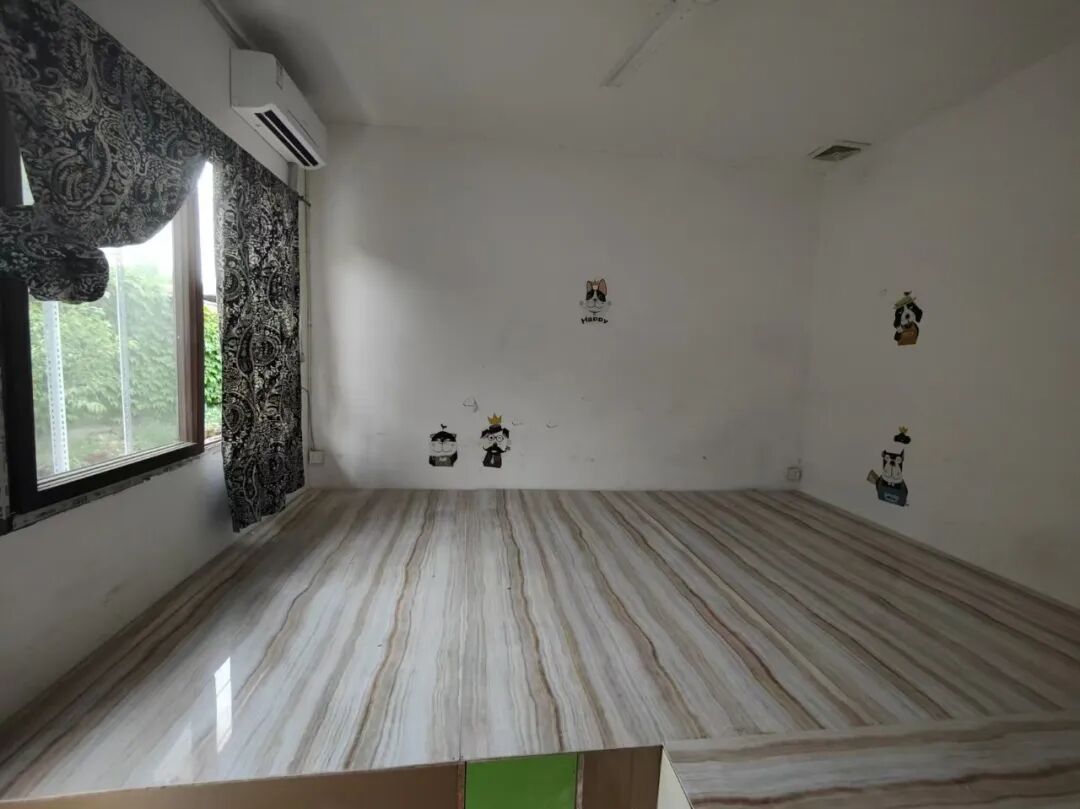
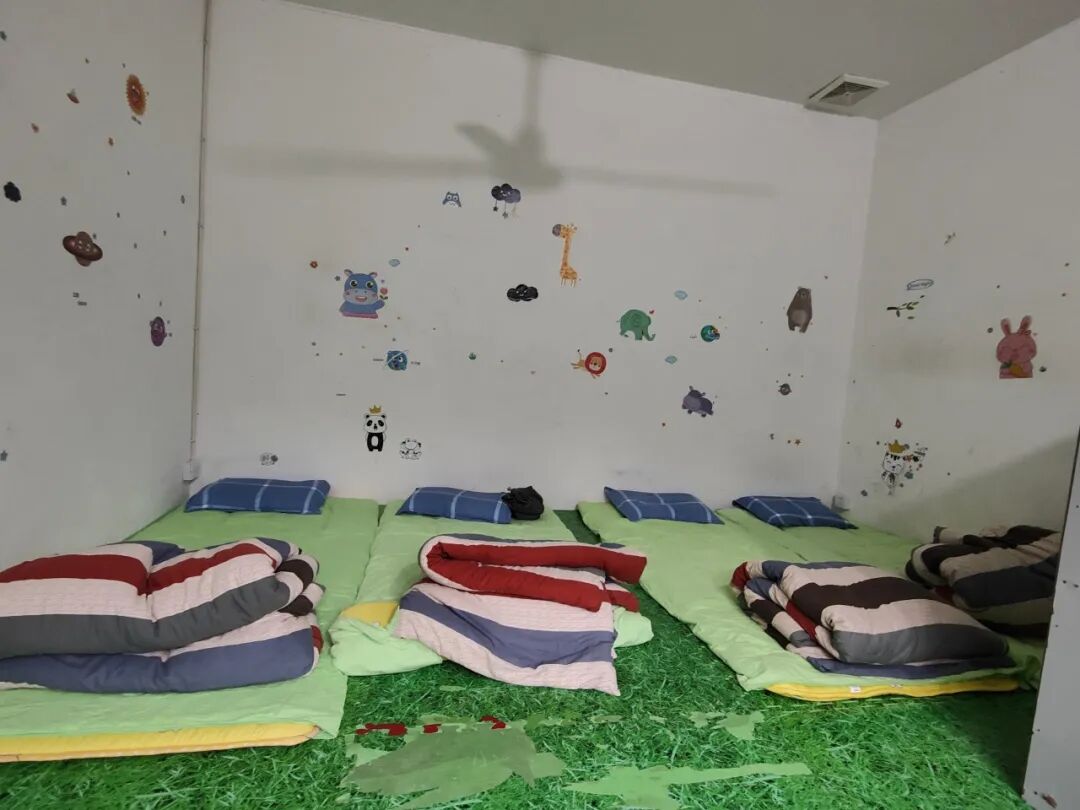
● Accommodation photos from Junqiao Crazy Farm, showing rooms for 2, 3 and 5 people.
– Registration Period –
From today until 20 October 2026, or until all places are filled.
– Fees –
1,360 yuan per place (includes 1,000 yuan training fee and 360 yuan for accommodation and meals over the three-day programme; transport not included).
We also offer two types of scholarship for farmers on smaller-scale operations who have already begun transitioning to ecological practices:
• Half scholarship: Half-scholarship recipients pay only 860 yuan (half-price training fee + accommodation and meals); transport not included.
• Full scholarship: Training fee fully waived; accommodation and meals 360 yuan; participant transport not included.
The scholarship application deadline is 20 October 2026, or until all awards are allocated. If you wish to apply for a scholarship, please tick the relevant box in the registration form and we will confirm your specific fees when we contact you.
– Register Here –

Please make sure your contact details are correct in the registration questionnaire.
We will be in touch as soon as possible after registration.
– Instructors –
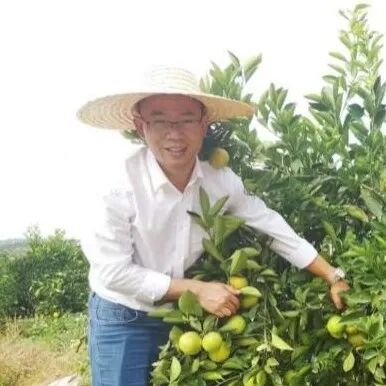
Lead Instructor
Luo Lishuang
From Baise, Guangxi; born in the 1980s. Senior Agricultural Technician. Has been involved in ecological agriculture production and research since 2008. From 2010 to 2020, served as Chief Technical Consultant at Guangxi Lemin Agricultural Technology Co., Ltd., advising clients on crop-growing techniques. From 2015 to 2018, founded the charity Hope Oasis, promoting ecological fruit-tree production transition trials in communities across Guangxi. In 2019, returned to his hometown and founded Huashan Farm. From 2020 to 2022, joined the Guangxi Guoren Rural Poverty Alleviation and Development Centre, exploring the documentation and localisation of ecological agriculture techniques and farmer training with the team. From 2021 to 2022, joined Guangxi Gaoming Group as Chief Technical Consultant, guiding the group’s ecological transition in production and personally overseeing the transition of a 360-mu (approximately 24-hectare) experimental field, achieving excellent results.
Over fifteen years in the field, Luo has focused primarily on soil and ecological crop production research. Years spent working on the front line have given him extensive practical experience and a deep, reflective understanding of ecological growing methods.
He favours a co-learning approach that lets you understand natural phenomena through hands-on practice and reflection, discover the fundamental patterns of nature through analysis and discussion, and continually explore your relationship with the natural world through open and equal dialogue. He looks forward to exploring with you how to achieve balance between crops and nature, and harmonious coexistence between people and the environment.
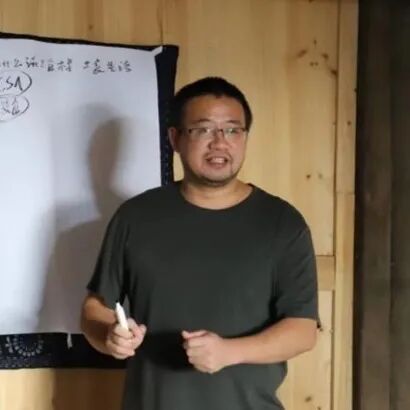
Co-facilitator
Huang Guoliang
From Hepu, Guangxi; born in the 1980s. Has been involved in the work of the Rural Construction Centre at Renmin University of China since 2005, and took part in establishing the Ecological Agriculture Studio at the Yan Yangchu Institute of Rural Construction. In 2008, co-founded China’s first CSA farm, the Beijing Xiao Mao Lü Citizen Farm. In 2012, founded the Chongqing Guoren Dapinghuo Community Canteen, an eco-restaurant in Chongqing. In 2013, joined the Guangxi office of Community Partnership Hong Kong, working primarily to promote ecological agriculture and the conservation and inheritance of local varieties; helped establish the Guangxi local variety conservation platform “Guizai Returning Home with Seeds”, through which exchanges were organised between ecological agriculture farmer leaders from within and beyond the province. In 2017, co-founded Guangxi Nanning Shiyouyuan Ecological Agriculture Co., Ltd. (Nanning Urban Farmers’ Market), Guangxi’s first online and offline platform offering a space for the display and sale of ecological farm products by organising urban consumers for collective purchasing of ecological produce. In 2018, founded the Guangxi Guoren Rural Poverty Alleviation and Development Centre and oversaw its day-to-day operations. In 2023, continued exploring the documentation and localisation of ecological agriculture techniques and farmer training as an independent practitioner.
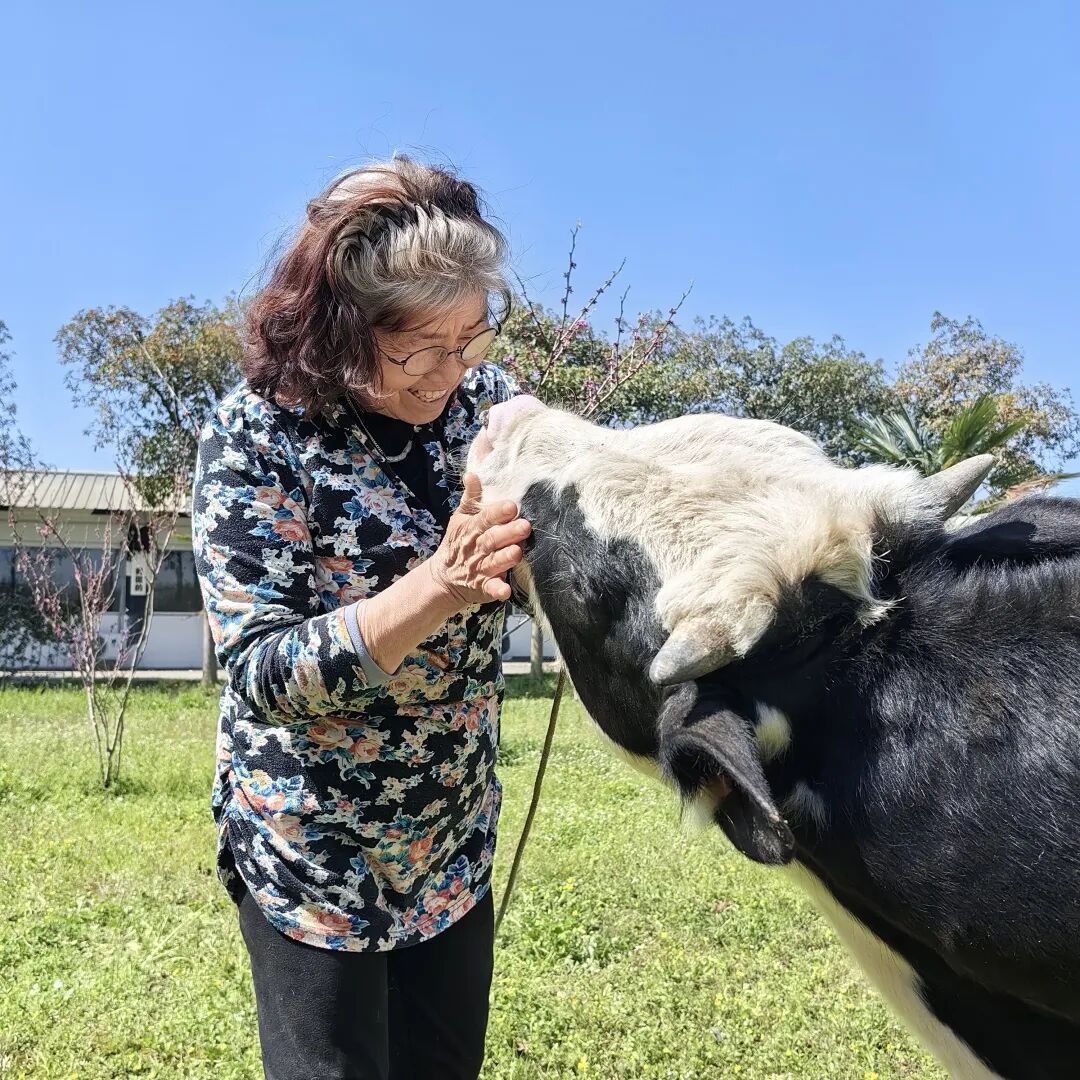
Teaching Assistant
Hong Weiqian
From Taichung, Taiwan. Arrived in Chengdu in 2010 and dedicated himself to environmentally friendly, ecological, circular farming. He hopes to explore a path — within the food safety chain from soil to table — from industrialised living back to the authentic flavours of food. Guided by humility and love, he sincerely pursues lasting symbiosis with all living things, building a farm sanctuary constructed with sweat and gratitude. Driven by his love of good food and life, he continually explores dimensions of balance between body, mind and spirit; with neuroscience and gut immunity at the core, supported by metabolic hormones and evidence-based medicine, he observes and analyses various health phenomena, accompanying more people in finding health-maintenance approaches suited to themselves.
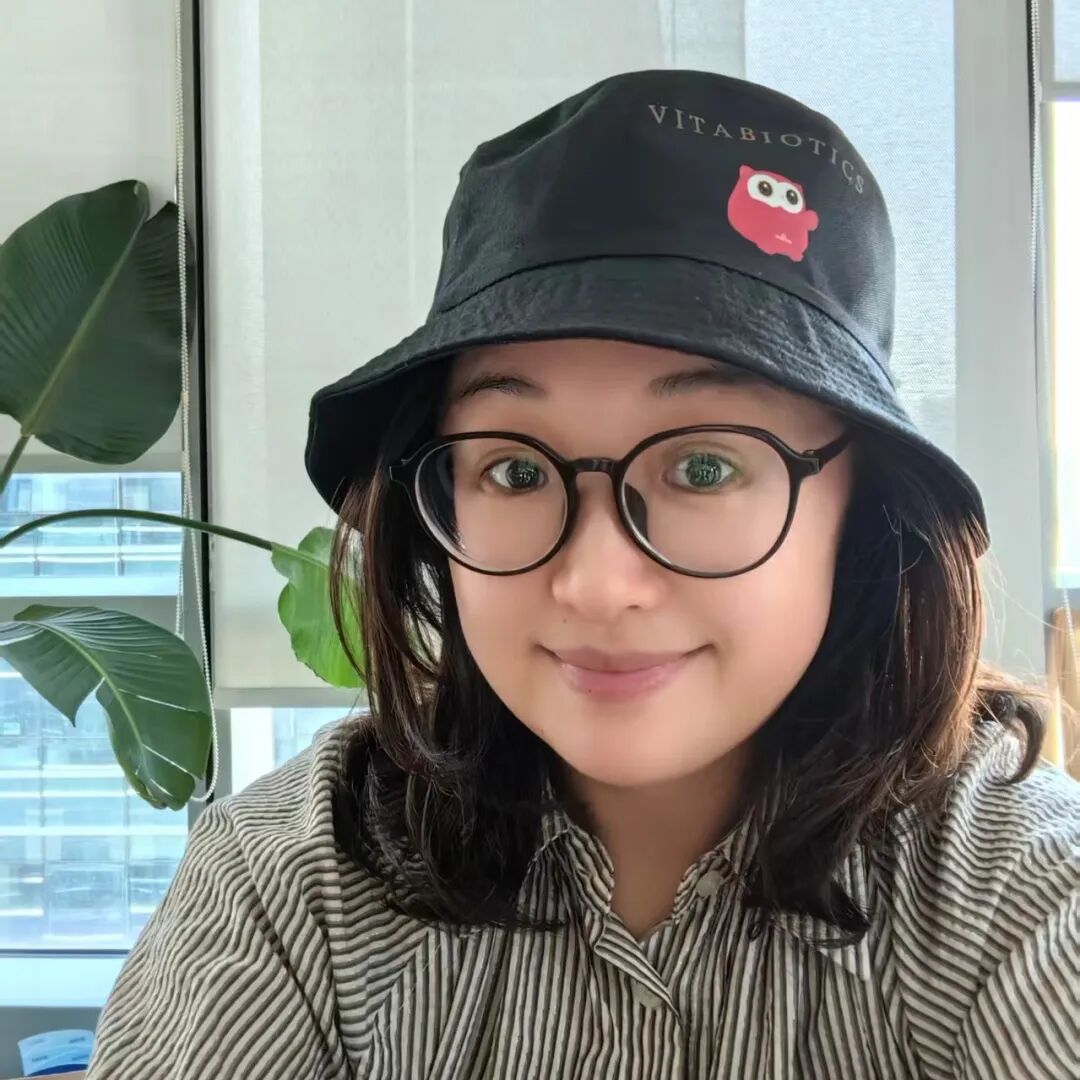
Teaching Assistant
Wu Yanli
From Chengdu, Sichuan; born in the 1980s. Began learning about ecological agriculture in 2011 and is a devoted member of Junqiao Crazy Farm, where she now works in new media operations. A certified NAHA aromatherapist, nature interpreter and forest therapy practitioner, she hopes to help more people enjoy the nourishment of the earth on this pristine land.
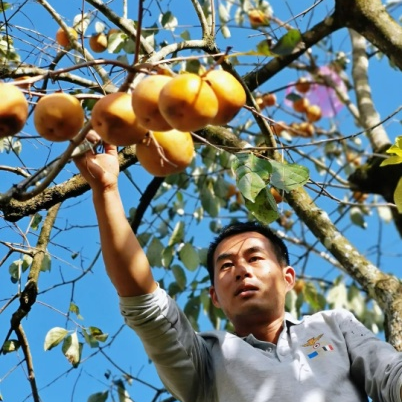
Teaching Assistant
Wei Guanghai
From Du’an, Guangxi; born in the 1980s. After graduating in 2008, he worked in a factory and rose to a management position, but due to his shy nature and dislike of the factory environment, he returned to his hometown in 2012 and began growing honey pomelos. In 2018, through staff at the Du’an Lügen Public Welfare Association, he learned about ecological agriculture and began transitioning his production. His family went from not understanding to wholehearted support. He also influenced a group of young people in the area to reconsider their growing and farming practices and follow his example in transitioning. In 2020, he attended a soil course, studying ecological agriculture techniques and practices more deeply with Mr Luo.
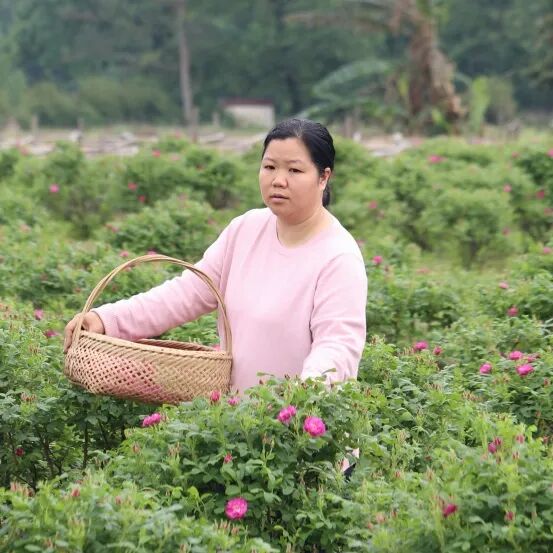
Teaching Assistant
Zhou Ciyu
From Guilin, Guangxi; born in the 1980s. Graduated with a degree in environmental art design. Has run her own ventures including a brewery, a yuba (dried bean curd) factory, a rice noodle factory and a restaurant. After all that experience, she ultimately chose to return to her hometown with her partner in 2016 to practise ecological agriculture, founding Citang Farm. Starting from scratch together, they travelled far and wide learning ecological growing and craft processing techniques. After ten years of farming, they have finally found their own ecological agriculture path suited to their small family, and their journey keeps growing steadier.
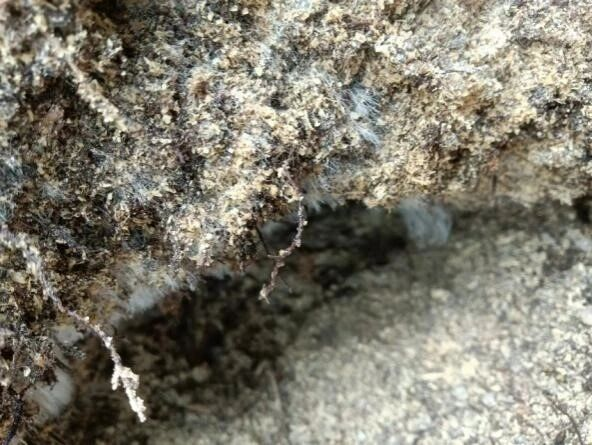
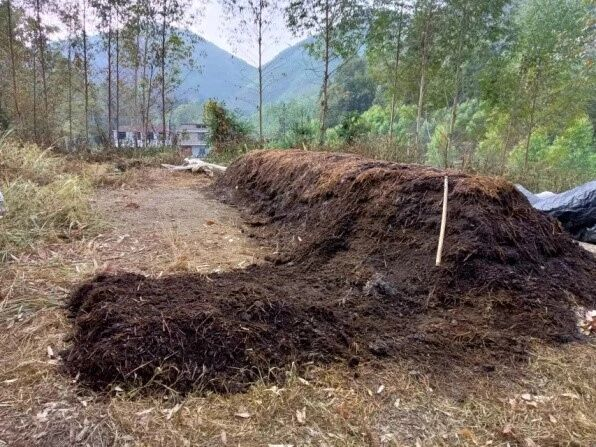
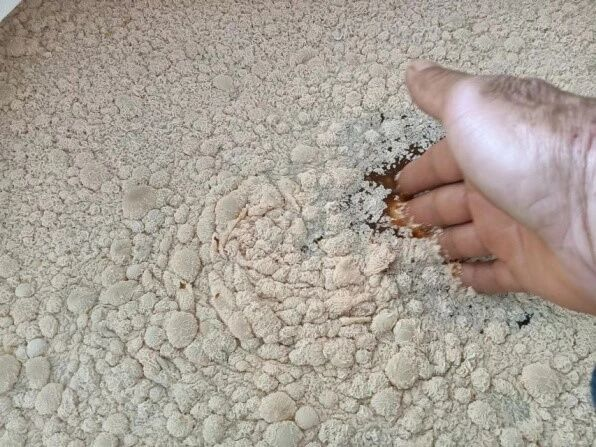
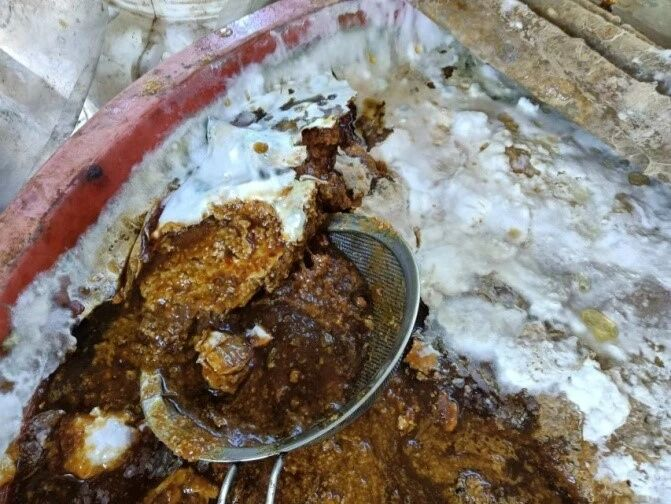
● Field-collected indigenous microorganisms (IMO), composting, plant-derived amino acids and animal-derived amino acids. Image credit: Lei Zhengjie
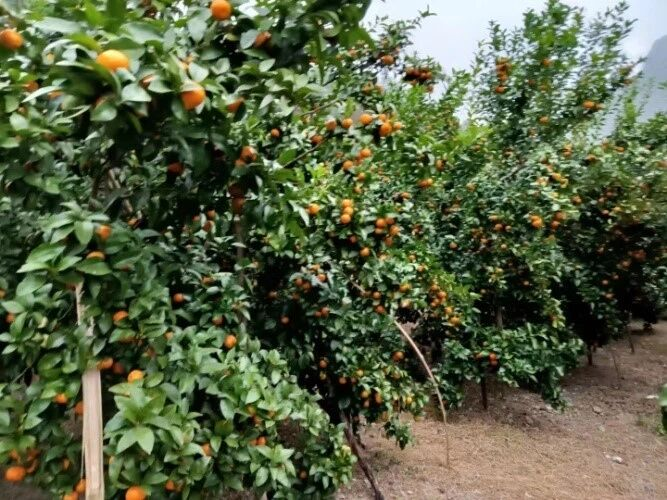
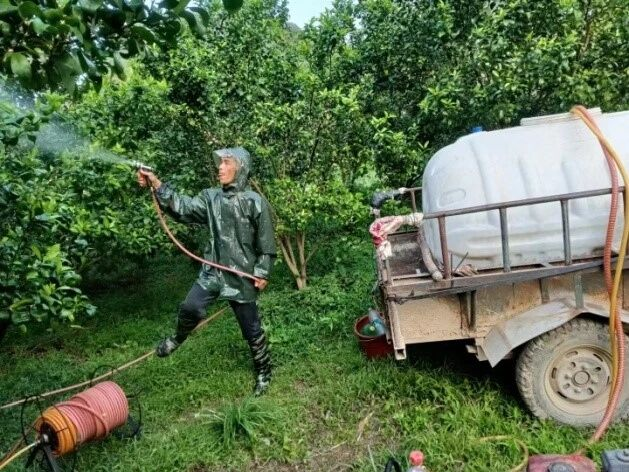
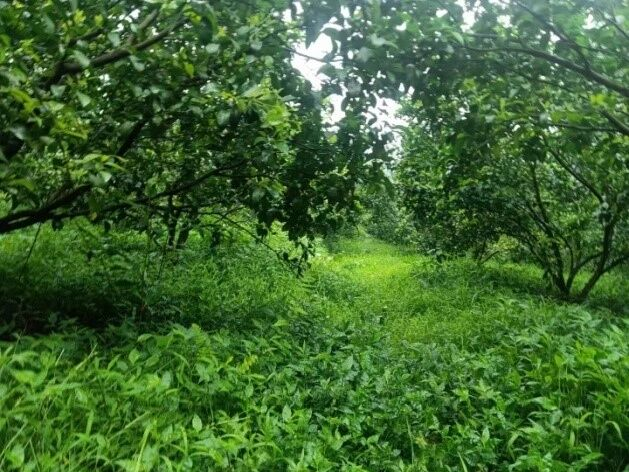
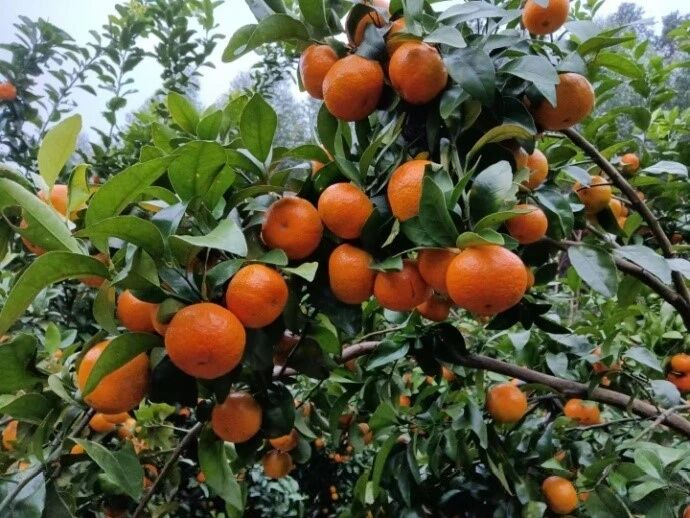
● Shatang mandarin orchard. Image credit: Lei Zhengjie
– Co-Organisers –
Foodthink
Junqiao Crazy Farm
– Host –
Junqiao Crazy Farm
Coordination: Huang Guoliang
Editing: Xiaodan
Poster Design: Zhou Xuan
Layout: Minglin
Scan to tip and support original Foodthink content
▼

▼
Click a keyword to explore more article collections
Seeds | Agricultural Techniques | Policy | Fermentation | Nutrition | Fruits | Fisheries | Events | Recruitment | Food Delivery | Wet Markets | Livestock Farming | Food Talk | Sharing Sessions | Reading Groups | Harvest Festival | Smallholder Stories | Climate Change | Rural Development | Cooperative Economy | Urban Farmers | Food Safety | Digital Technology | Biodiversity | Pandemic and Food | False Solutions | Ecological Agriculture Internship Programme
Beijing | Hebei | Shanghai | Guangdong | Guangxi | Henan | Sichuan | Jiangxi | Xinjiang | Shaanxi | Hong Kong | Chongqing | Zhejiang | Jiangsu | Guizhou | Taiwan | Inner Mongolia | Philippines | Canada | Russia | Mexico | Italy | United States | United Kingdom | Germany | Netherlands | Thailand | Sweden | Japan