In six years rooted in Yangdong Village, Guizhou, former consultant Chen Xi and husband Bangrong preserved over twenty Dong heritage rice and grain varieties, built Qiandongnan’s first non-profit children’s library through Yanzhi Purple Rice sales, and relearned “living” amid rice–fish–duck co-cultivation.
Grandma Kouzi, over sixty, built Valley of Villains – a one-person farm in Yilan – for 500,000 yuan, inspired by Lishan fruit farmer Abao farming alone for over twenty years. In year five, food is fully self-sufficient apart from salt; by seventy she aims for self-sufficient water, electricity and permaculture.
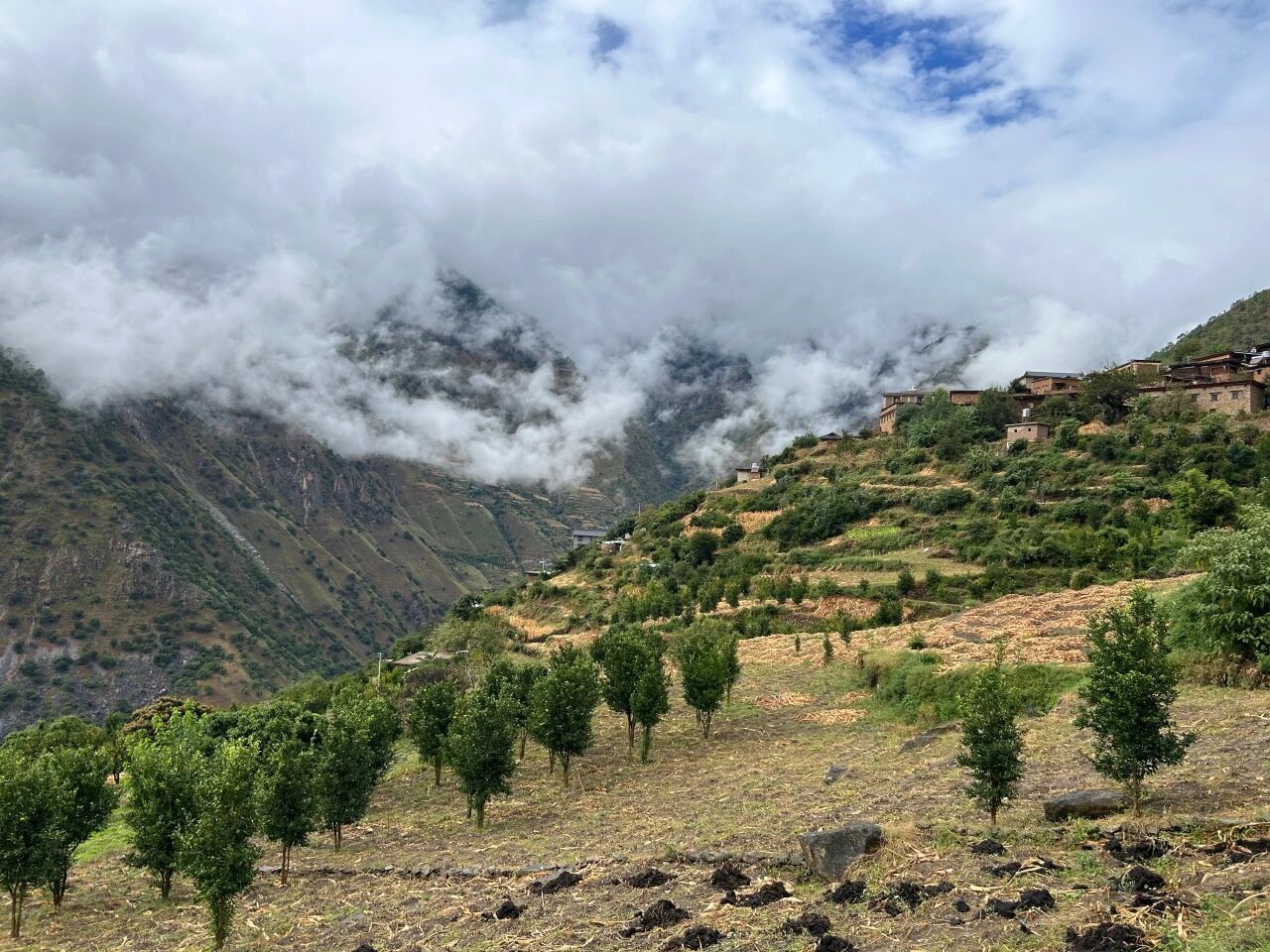
The women who stayed behind in Youmi Village, a Mosuo settlement in Lijiang, are using Sickle-grain rice, an old upland rice variety from the Jino, to grow rice again on hillside slopes growing ever drier—and to keep alive the cultural memory behind rice farming.
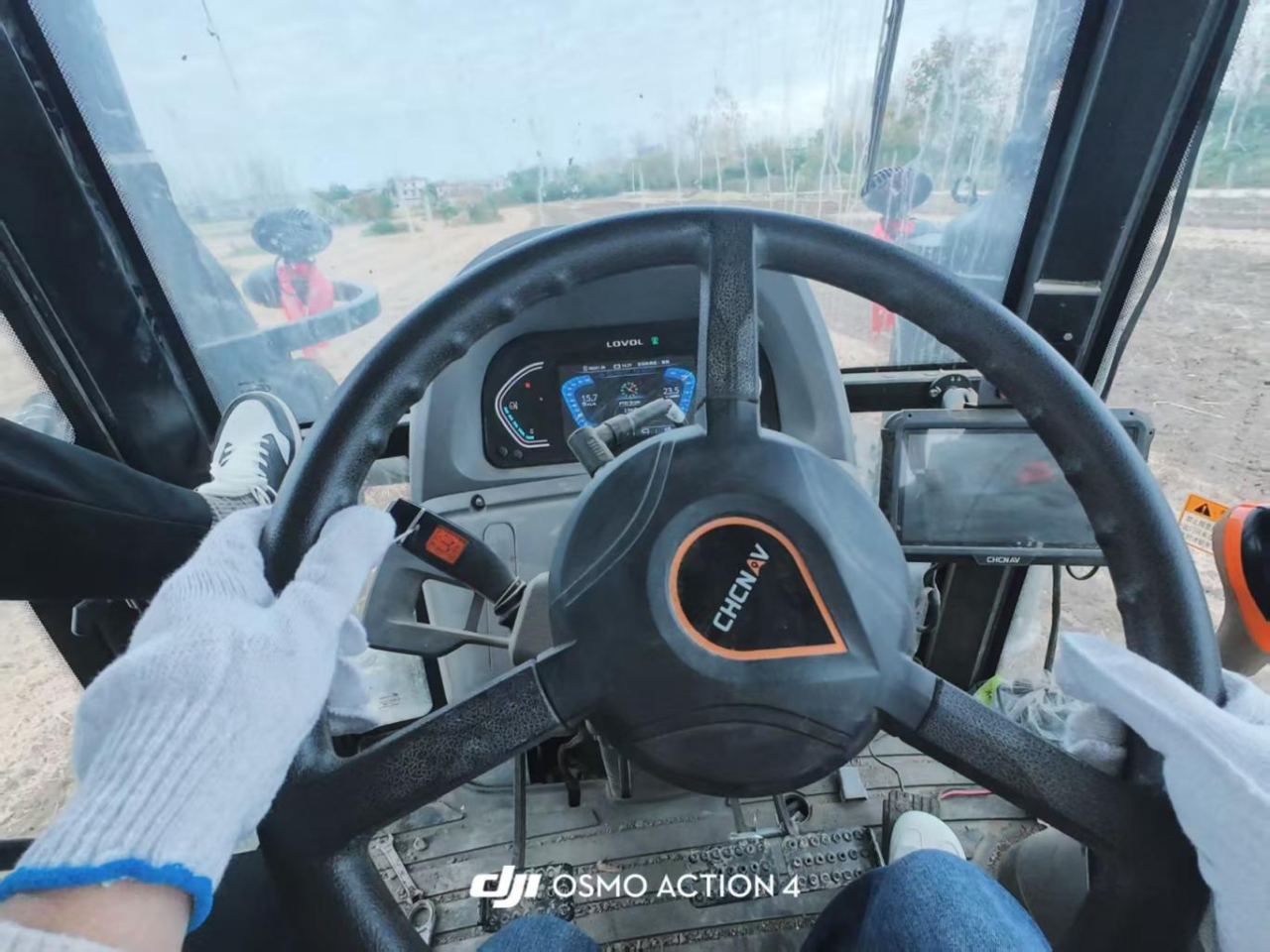
Fuyang’s free farm-machinery course had 50 trainees, just 7 of them women. Wu Ting and her peers hesitated again and again before the combine harvester—until one sister claimed the cab and started off steady, loosening the assumption that “women can’t drive.”
Zha Shiyire, a Huayao Yi, grew up in a mountain village in Shiping County, Yunnan. Her mother whistled from the bund, calling the wind; the family bent, planting tobacco, reaping rice, shredding radish strips. Farm work is never finished — she never loved it, nor could she loathe it.
The organic farm on the sandbar collapses amid shareholders parting ways, land disputes and natural disaster. After losing her homeland, her mother and the farm, Xiao Yu walks into the reedbed with the last cow, treating land reclamation as the self-declaration of the rootless.
Men leave for work; the women of Stone City stay to farm, tend old and young, and run guesthouses. He Xiuqin’s plot grows twenty to thirty crops across the seasons; Zhang Xiuyun keeps over a dozen heirloom maize varieties. This uncelebrated labour connects field to table.
Hu Xuemei, a Pidu District farmer, went from water-protection volunteer to turning her family’s fields into a diverse, finely tended ecological farm and setting up farming-based arts-education classes with an art teacher. After half a lifetime passively running a household, she became the master of her own life.
A former programmer interned at two family farms in Pidu and Meishan – tilling soil, making compost, sun-drying pastes, packing vegetable boxes – and glimpsed the true face of returning to the land through the daily labours of Hu Xuemei and Chen Ying.