

Home Action director Hu Xiaoping on how Sichuan’s project villages have responded to extreme heat — from recovering heirloom varieties to cutting growing costs — and how climate change forces them to rethink what agriculture means for their lives.
Extreme weather, agricultural carbon emissions, adaptation, and mitigation strategies.
Home Action director Hu Xiaoping on how Sichuan’s project villages have responded to extreme heat — from recovering heirloom varieties to cutting growing costs — and how climate change forces them to rethink what agriculture means for their lives.

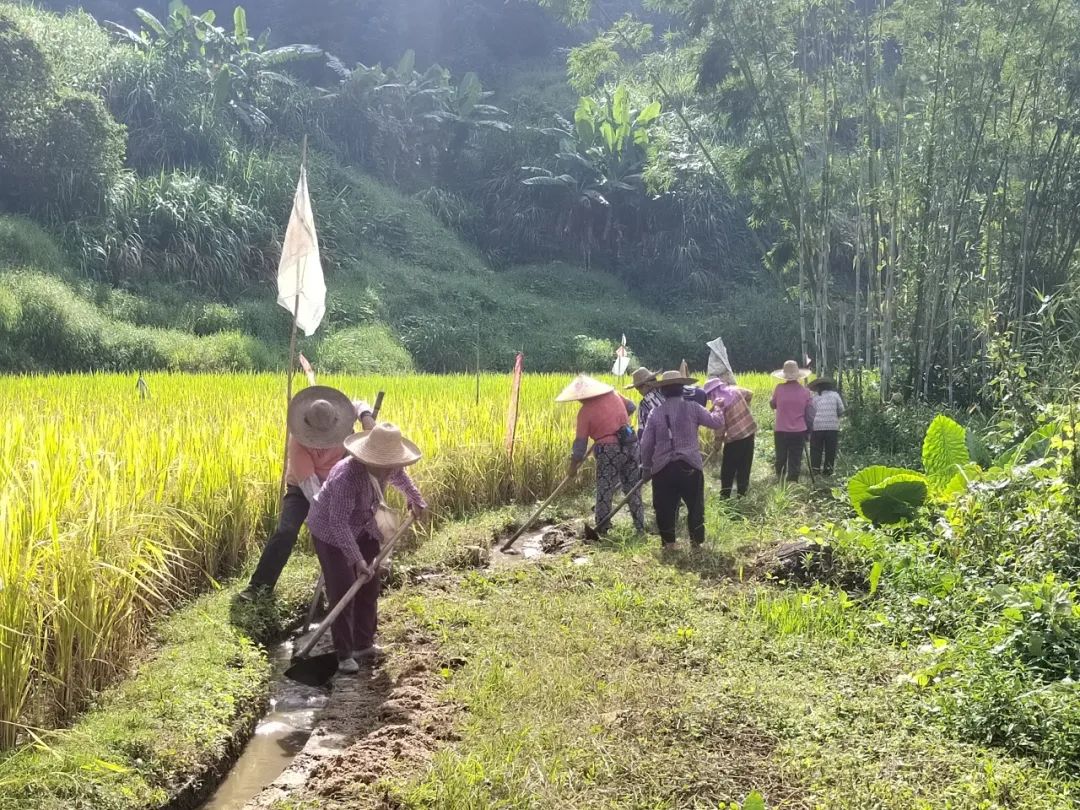
The charity Home Action promotes ecological rice cultivation across Sichuan villages — no-till mulching, no chemical fertiliser, no pesticide — so farmers who have stayed behind can grow food well amid successive droughts and heatwaves without external inputs.

Ecological farm owners in Shunyi, Changping and Baoding have endured year after year of torrential rain flooding their fields, making difficult adjustments from digging drainage trenches to switching crops, yet remain trapped by the absence of public drainage and ever-mounting costs.

Farm owner Zhen Rui’s two staff were swept three to four hundred metres by floodwater before escaping from their sleep in the small hours. Their 450 mu of land and nearly thirty million yuan invested over more than a decade were wiped out overnight—with no evacuation notice.

Aged 61, Sun Wenxiang carries fertiliser, weeds and raises pigs in Qilong Village, Hongya County. He has preserved more than 12 heritage rice seed varieties yet receives no policy subsidies, and whether his daughter will take over remains uncertain.

Foodthink has compiled four firsthand accounts of Guangxi’s floods from Liuzhou, Nandan and Du’an. Amid sudden swings between drought and flooding, flash floods destroyed water systems, ponds lay empty, and White-trousered Yao women braved the downpour to rescue hand-sewn ceremonial outfits — a season’s livelihood faces rebuilding.

Shaanxi is experiencing its worst drought since 1961. In May, at a workshop in Xianyang, Foodthink visited ecological farms and discussed climate technologies and pathways for social organisations, seeking ways to help farmers face climate disasters with preparedness and support.

This spring, Shaanxi logged its lowest average precipitation for the same period since 1961. Shitouhe Reservoir — the “Water Tower of Guanzhong” — is nearly dry. Mei County fruit growers pay steep wages for migrant workers to race the flowers; wheat fields yellow and wither over vast stretches.

The organic farm on the sandbar collapses amid shareholders parting ways, land disputes and natural disaster. After losing her homeland, her mother and the farm, Xiao Yu walks into the reedbed with the last cow, treating land reclamation as the self-declaration of the rootless.
In April this year, Foodthink and the Guangxi Climate Change Action Network held a workshop in Nanning where farmers, social organisations and funders explored concrete pathways for rural climate response amid the tangled interplay of drought and flood, pests and disease, market swings and policy constraints.