Brandenburg’s rainfall is 30% below the national average. The Eberswalde University for Sustainable Development has introduced broad beans, chickpeas and other overwintering crops into trial plots at organic farms, recommending farmers gradually shift from the three-summer-two-winter to the three-winter-two-summer rotation.
In Eren Valley, Fujian, Kouzi’s trial-planted onions this spring rotted almost entirely in the field. His carefully prepared winter wheat set not a single grain after daily rain during anthesis. Self-sufficiency dashed – yet he says he’ll still plant.
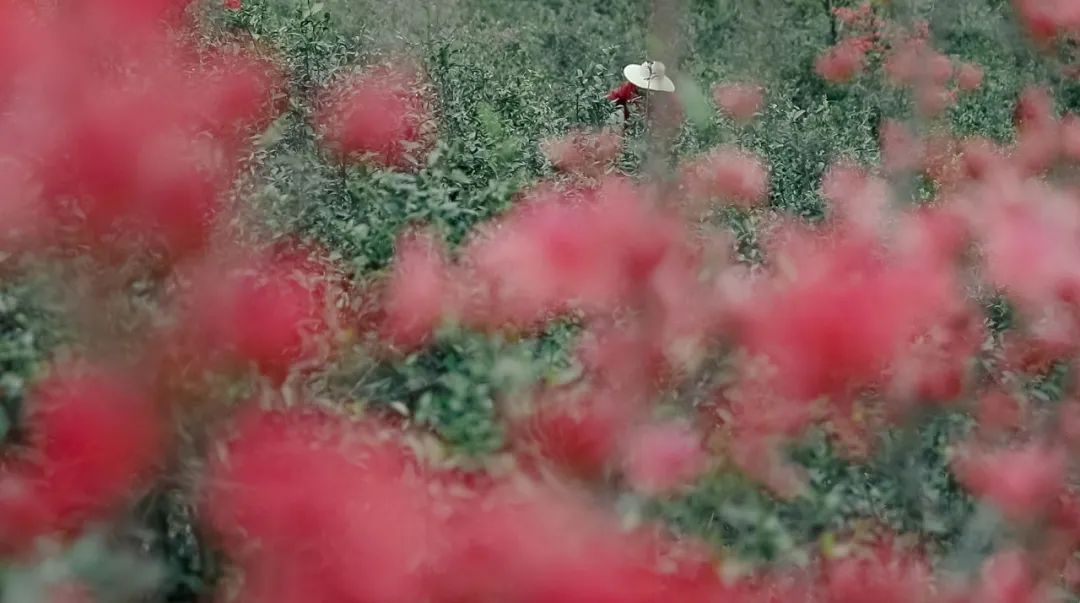
Deyi Tea Garden’s Zhang Chao counters the squeeze the pure bud-tip standard places on tea farmers through “multi-purpose use and flexible production”: the same mountain-site material shifts between green, black and white tea with weather and seasons, extending the picking window from twenty days to sixty.
In Niujiao Village, Jintang County, Chengdu, Tang Liang spent three years reuniting a migrant-work-scattered family, then ran a family farm. At a Foodthink sharing session, he reflects on ten-odd years, from emotional ties to heat-hit yields, asking whether smallholder families can rejoin livelihood with life’s meaning under urbanisation.
In 2023, a prolonged drought delayed the first pick of Xinyang’s spring tea. Zhang Chao of Deyi Tea Garden in Shihe District, who has practised natural farming for ten years, opened his garden just one day later than the previous year.
From the Green Revolution to carbon credits, Bayer and IRRI’s schemes have consistently placed hidden costs on smallholders. Yet farmer networks such as MASIPAG in the Philippines and DDS in India are rebuilding a different emissions-reduction foundation through local varieties and agroecology.
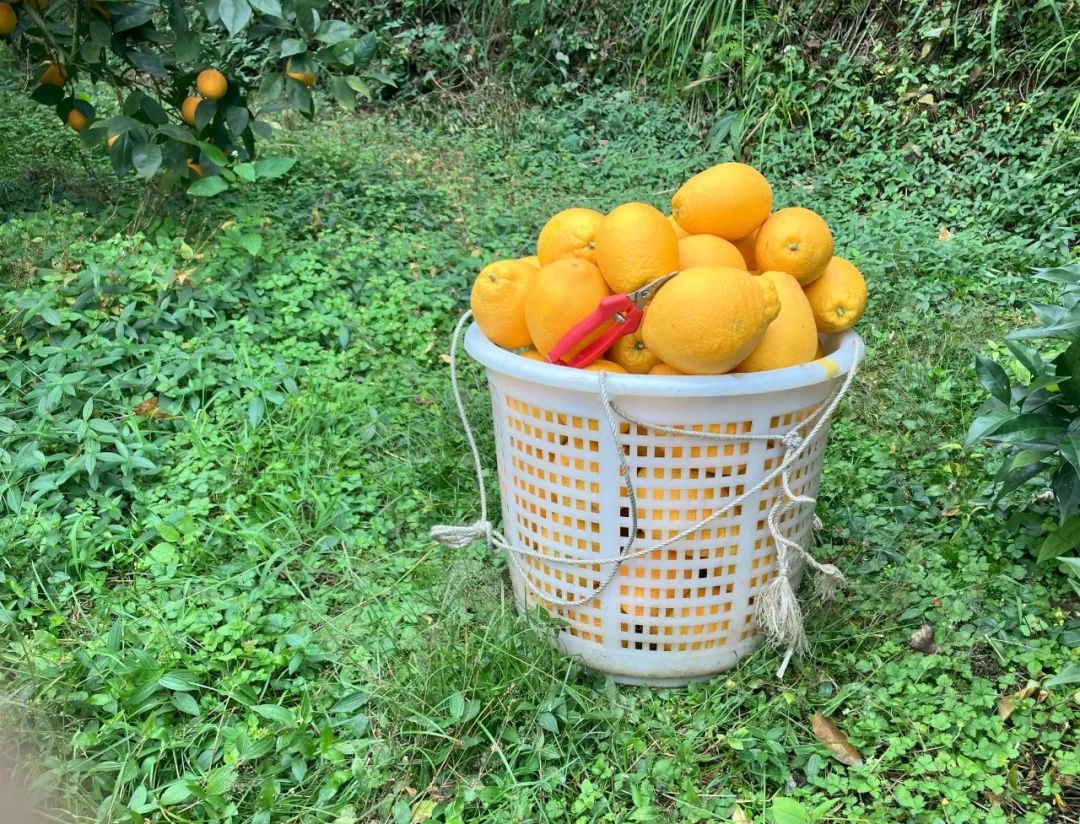
Gannan navel orange output nearly doubled year on year, yet purchase prices plunged from nearly 3 yuan per jin to under 1 yuan. A cold snap forced fruit farmers into a rushed harvest with no sales channels in place, and merchants who had booked orchards broke their contracts.
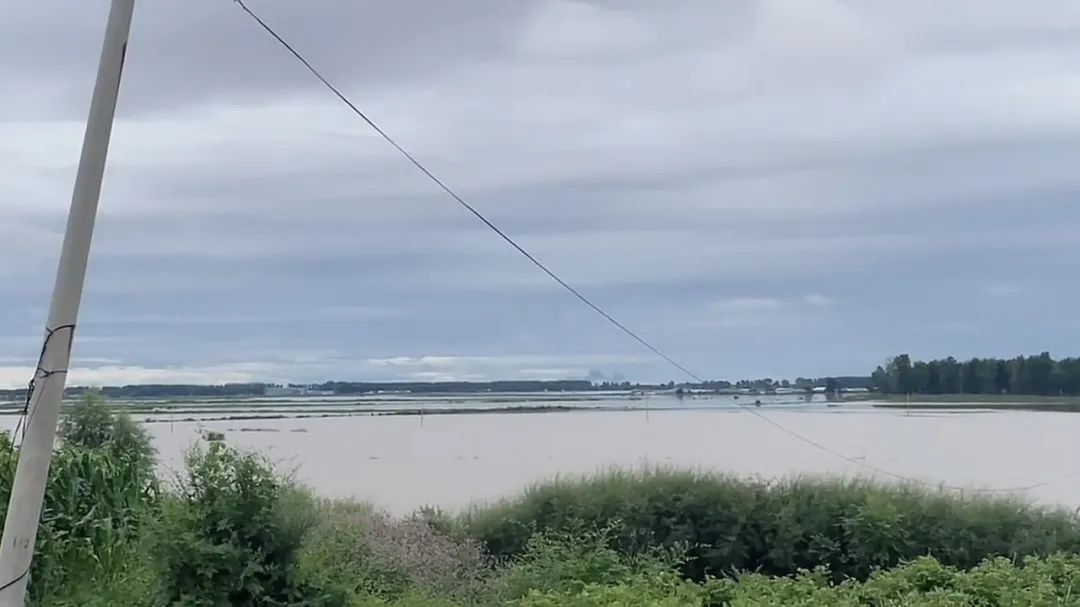
Typhoon Doksuri tracked north. In Yingchengzi Village, Wuchang, Third Grandpa’s two hectares of river-bend land suffered total crop failure, leaving the whole family sixty or seventy thousand yuan in the red. The insurance payout was long overdue, and end-of-September gales caused further lodging, forcing harvest by hand.
Meteorologist Wei Ke and scholars Liu Juan and Liu Jie point out: rural disaster preparedness falls short amid extreme weather; farmers cut planting due to labour shortages; ambiguous insurance settlements leave smallholders unable to secure compensation; and the left-behind elderly are pushed into ever greater vulnerability.
The International Institute for Environment and Development (IIED) and the Forest and Farm Facility surveyed over 1,800 smallholder farmers across 13 countries and found that their own climate adaptation spending far exceeds international climate finance. Farmer organisations are calling on COP28 to fund grassroots cooperatives directly.