
The organic farm on the sandbar collapses amid shareholders parting ways, land disputes and natural disaster. After losing her homeland, her mother and the farm, Xiao Yu walks into the reedbed with the last cow, treating land reclamation as the self-declaration of the rootless.
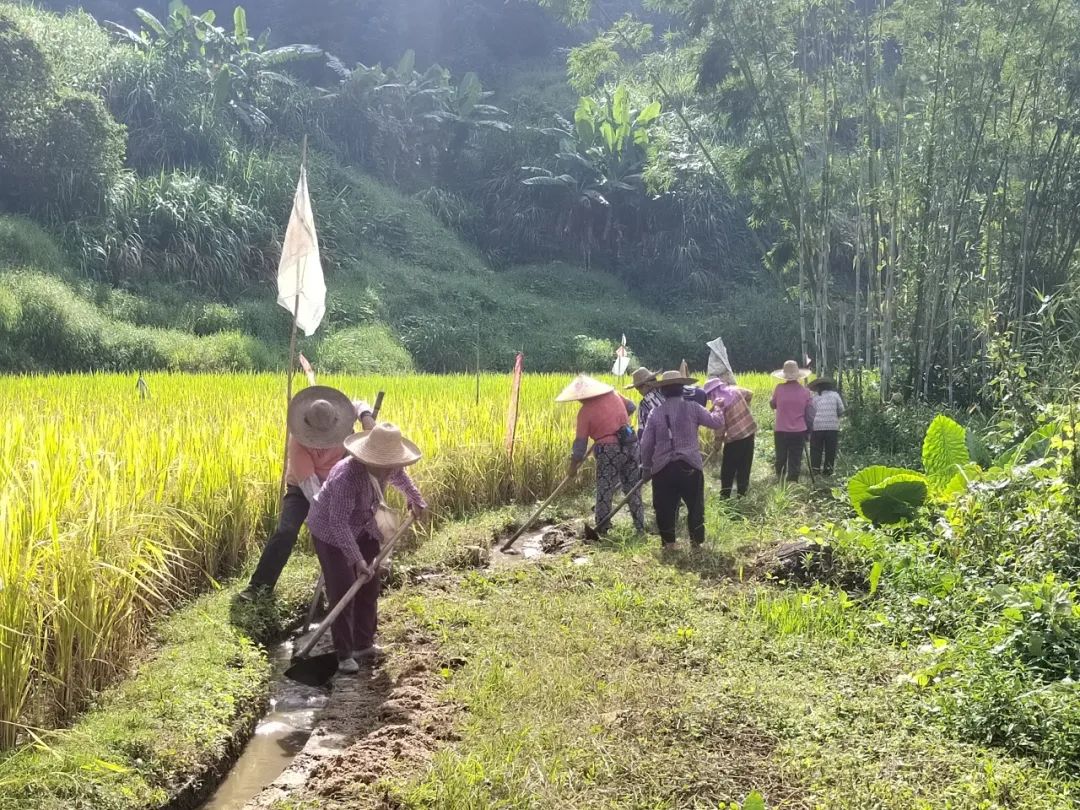
In April this year, Foodthink and the Guangxi Climate Change Action Network held a workshop in Nanning where farmers, social organisations and funders explored concrete pathways for rural climate response amid the tangled interplay of drought and flood, pests and disease, market swings and policy constraints.
On World Book Day, Foodthink brings together recommendations from its editors, authors and fellow travellers in the field — over ten books that, unbidden, converge on the most fundamental connection between people and food, land and the natural environment.
Old Li’s 70 mu of ecological farmland in H Province, guarded fifteen years, lies blanketed by mulch film fragments from a groundnut haulm plant 100 metres away. Spring ploughing slipping; two months of appeals yielded only two departments citing the same law yet deflecting responsibility onto each other.
Repórter Brasil built a traceability database combining satellite data and on-the-ground collaboration with indigenous communities, proving JBS was not “unable to trace” but actively used three-legged journeys to launder cattle from deforested ranches into the supply chain, ultimately prompting six major European chain supermarkets to boycott.
Farmer Lu Rongyan trialled chayote shoots from local heirloom varieties in Guzhai Yao Ethnic Township, Mashan, lifting income for elderly and women who stayed; cultivation hit 2,000 mu in five years. Last year’s alternating floods and droughts cut seed-fruit supply, putting seed-saving and diversified cropping on the agenda.
Work vibe so heavy you can’t stomach a takeaway box; sweet soup 3–5 yuan dearer than dine-in; a rider’s hand slashed in the snow. Dozens of readers wrote down specific moments of pushing back against takeaway – from ready meals to plastic packaging, all pointing to a proper meal.
Rooted in Heshun, Shanxi, for a decade, Maomeng protects the North China leopard’s habitat through ecological agriculture without chemical fertilisers or pesticides. Project lead Hannah tells how a single cornfield connects leopard populations, villagers and the urban public.
Li Jidong’s 70 mu of farmland in Luanzhou, Hebei, is blanketed in shredded mulch film from a neighbouring feed-processing plant. The agriculture and environment bureaus cite the same regulations yet each insists the pollution is the other’s to tackle. Spring sowing looms, yet he still cannot sow.
Maize once needed just one round of pesticide; now each crop demands six. The Fall armyworm has pushed farmers onto a “pesticide treadmill”, biological control is too slow, and whether GM maize can break the deadlock remains uncertain.


