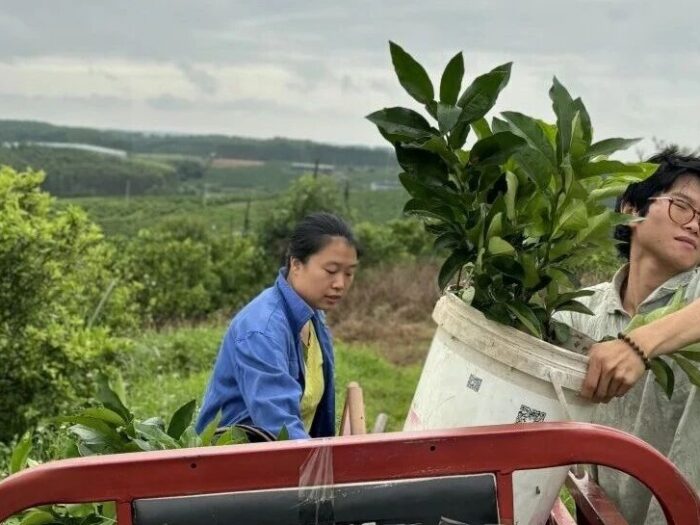
A month of hoeing, carrying water, huddling by the fire through downpours to mountain folk songs at Baicao Garden — Sister Yan Ping’s ecological farm, Guigang, Guangxi — metres from a chemical-fertiliser orchard. The body into the land’s rhythm, until April’s heat sent a nature-hungry graduate back to the city.
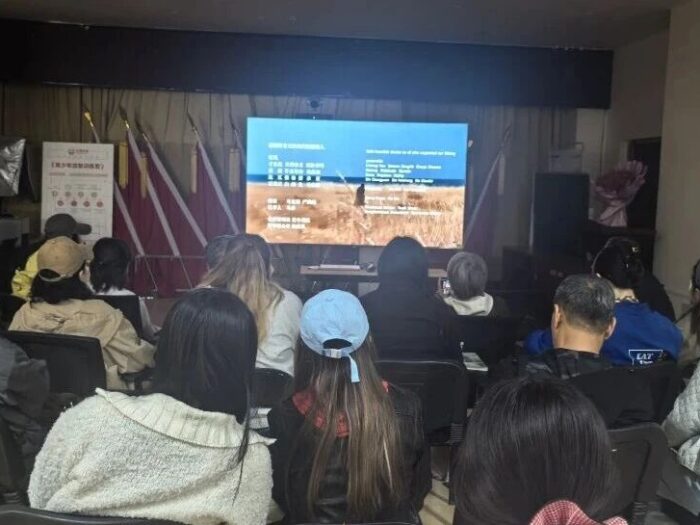
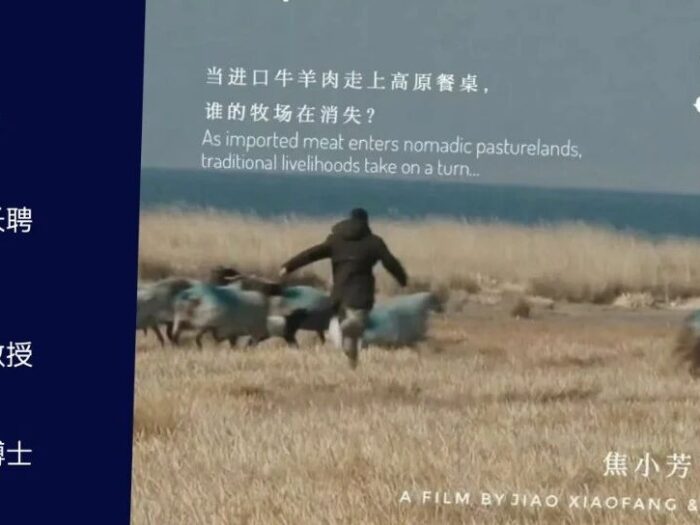
On 23 May, the documentary Whose Table, Whose Pasture screened in Urumqi, as Xinjiang university students, environmentalists, livestock experts, return-to-Xinjiang entrepreneurs and others shared their views on herders’ livelihoods and rangeland ecology under the impact of imported frozen meat.
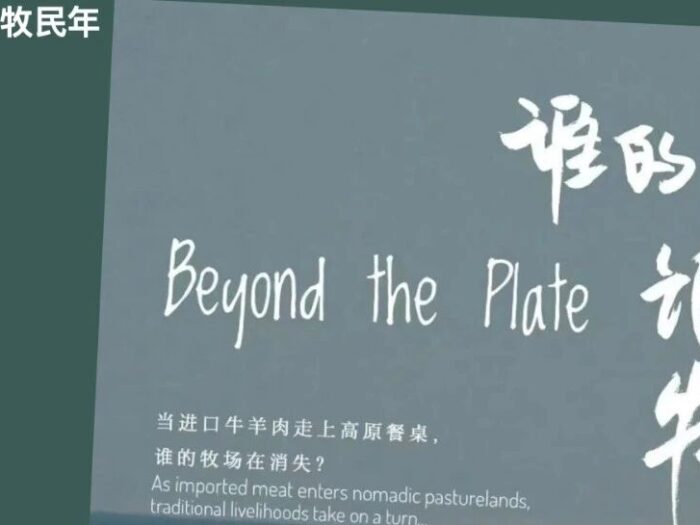
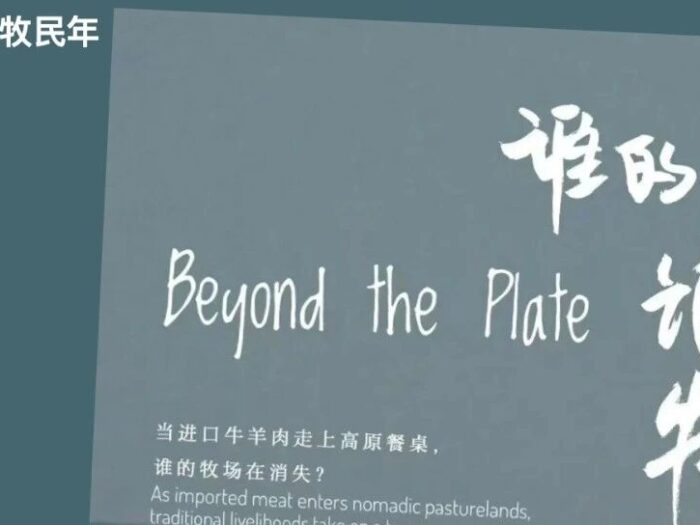
The award-winning documentary Whose Table, Whose Pasture documents the reality of plummeting cattle and sheep purchase prices and damaged livelihoods among herders after imported frozen meat flooded Qinghai’s markets. It will be screened at Zhejiang University on 12 June, followed by a discussion between food systems scholars and the audience.
Foodthink has openings for content compilation, research assistant, and short video editing roles, focused on food and agriculture, environment, and public policy topics. Office-based positions are in Haidian, Beijing; part-time roles are remote.
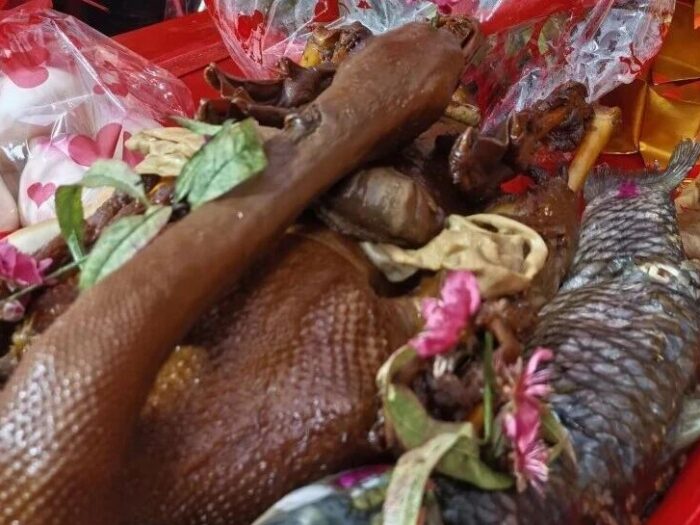
In 1946, Shen Dongyan in Malaysia sent a qiaopi simply to have his mother buy a braised goose for ancestral rites. In the Chaoshan region, braised goose is the offering of the highest grade on the offering table; this reverence has continued from the Nanyang to today.
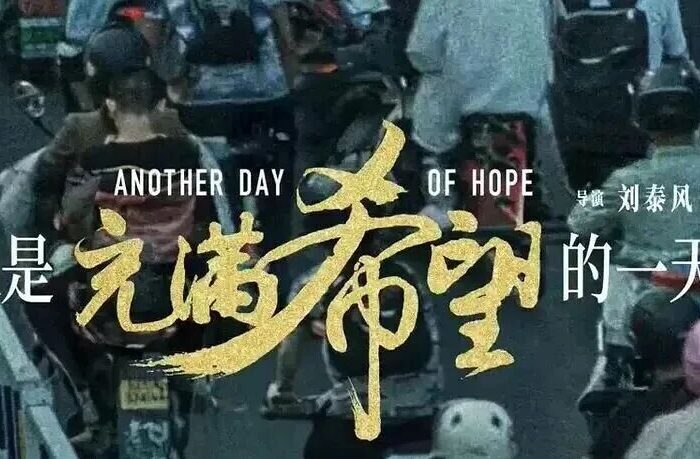
Foodthink screens four films about food and labour back-to-back at Tuanjiehu this June — from food-delivery riders to rice farmers, pastoralists and fermentation artisans. Each screening is followed by an in-person conversation with directors, protagonists and activists, and preceded by a farmers’ market.
On 26 May at 19:00, Foodthink screens a field-research documentary at Toku Gallery, Qinhuai District, tracing how imported frozen beef and mutton flooding the market slashed buying prices for herders around Qinghai Lake, leaving them struggling to repay loans. Afterward, Tianle joins the audience for a discussion.
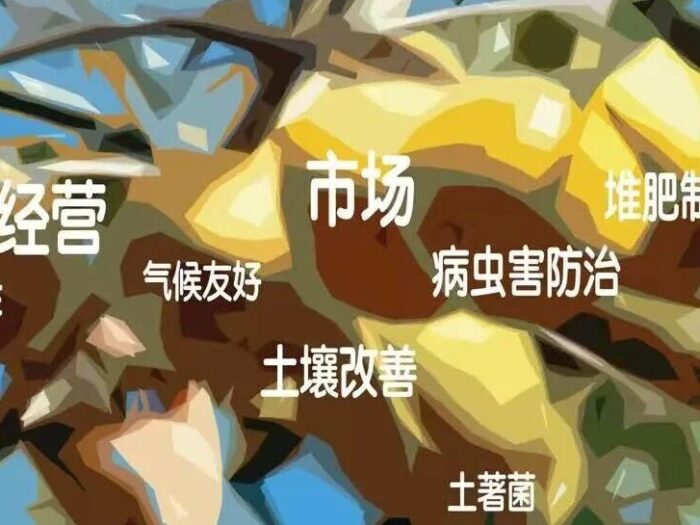
Foodthink’s three-day co-learning camp (4–6 June, Yangqiao Village, Lianhua County, Pingxiang, Jiangxi), featuring two technical advisors with over twenty years in ecological agriculture, threads soil, plants and animals as theoretical lines through hands-on composting and liquid fertiliser, plus market discussion, for 20 small- and medium-scale ecological farmers.
Foodthink will screen the documentary Whose Table, Whose Pasture in Ürümqi, documenting the livelihood impact on herders around Qinghai Lake after imported frozen meat flooded the market. After the screening, local Xinjiang organisations and guest speakers will discuss pastoral and herder issues.