Can’t do without food delivery, can’t put down the “digital side dish”, going to the market less and less, yet starting to try fermentation — young working people’s predicaments and little tips for eating well, gathered by Foodthink over two years of open calls.
Foodthink’s sixth round of the Lianhe Programme small action grants is open to farmers, cooperatives, community self-organisations and others. Priority goes to local projects helping smallholders on the front lines of climate change. ¥5,000–¥30,000 in funding plus communications resources; applications close on 17 May.
The second Lianhe Creative Programme received 197 applications, with 20 projects ultimately selected. Topics range from Southeast Asian fruit supply chains and mountain villages where the Sichuan pepper boom has ebbed, to digital fish ponds, wild boar conflicts in Tibetan regions, and farmers’ livelihoods under climate risk.
Foodthink ends two weeks of silence as Grain Rain arrives, reintroducing itself to readers: a food and agriculture platform founded in 2017, focused on smallholder livelihoods and the conditions of food and farming workers. This year it turns its focus to women farmers, herders and climate resilience.
Guanqi of the Farmer Seed Network died unexpectedly on a work trip in Qinghai. Foodthink’s friends set down who he was: the group’s “study representative”, a craft beer lover, an unsung hero of seed conservation — and the friend who made sure no one was ever alone.
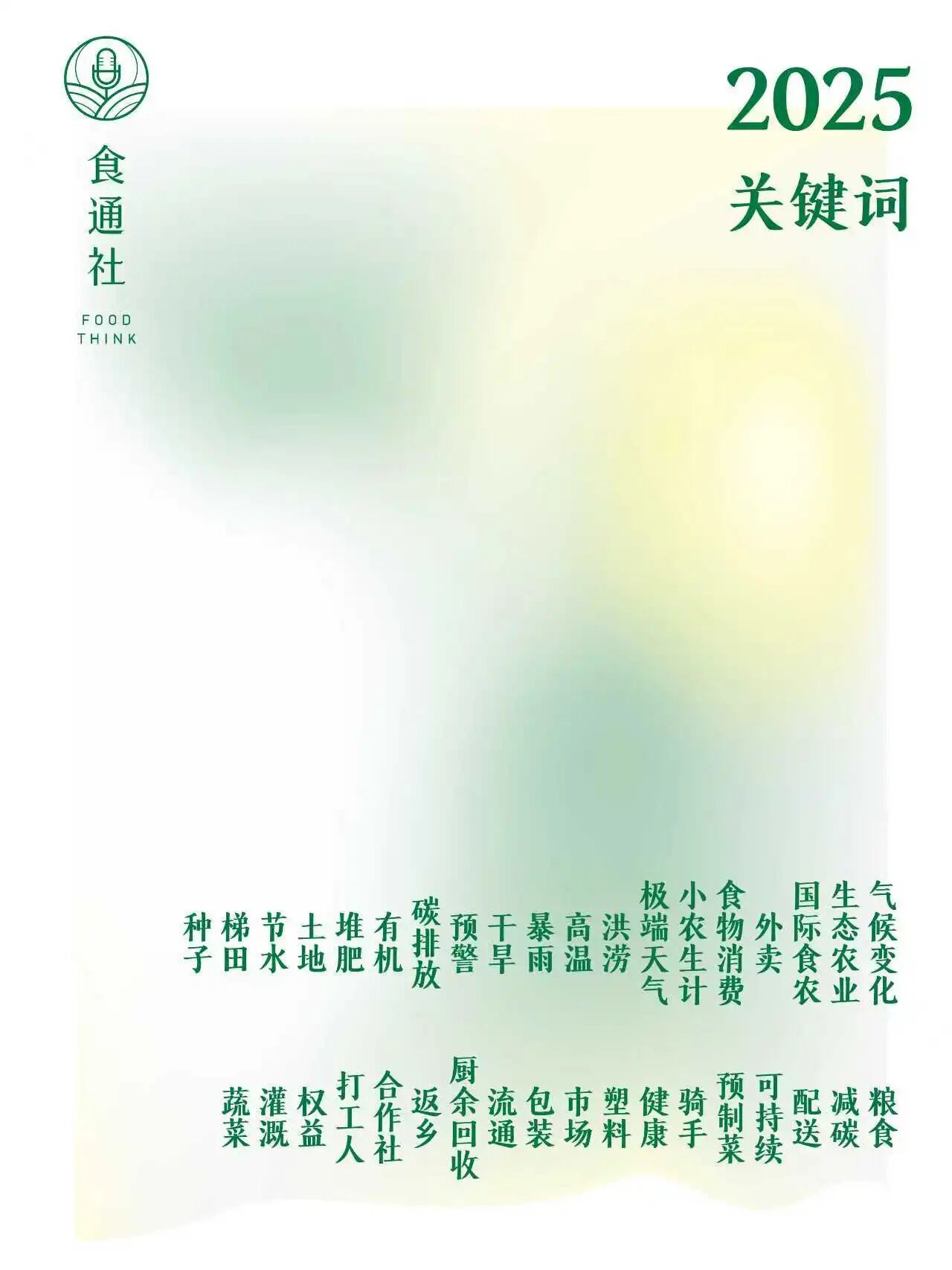
Extreme weather upends farmers’ planting rhythms, the food-delivery wars compress a meal into a 30-minute order, and imported meat reaches the highland pastoral areas directly – Foodthink’s 2025 field records hold on to the traces of the land and its labourers.
In a sixteenth-century manor in western France, a 1970s hippie couple sustains self-sufficiency through work-exchange volunteers. A month with a Colombian brother and sister—undocumented workers—picking strawberries, smashing walls, making cheese: the “return to the countryside” romantic imaginings shattered by day after day of unpaid manual labour.
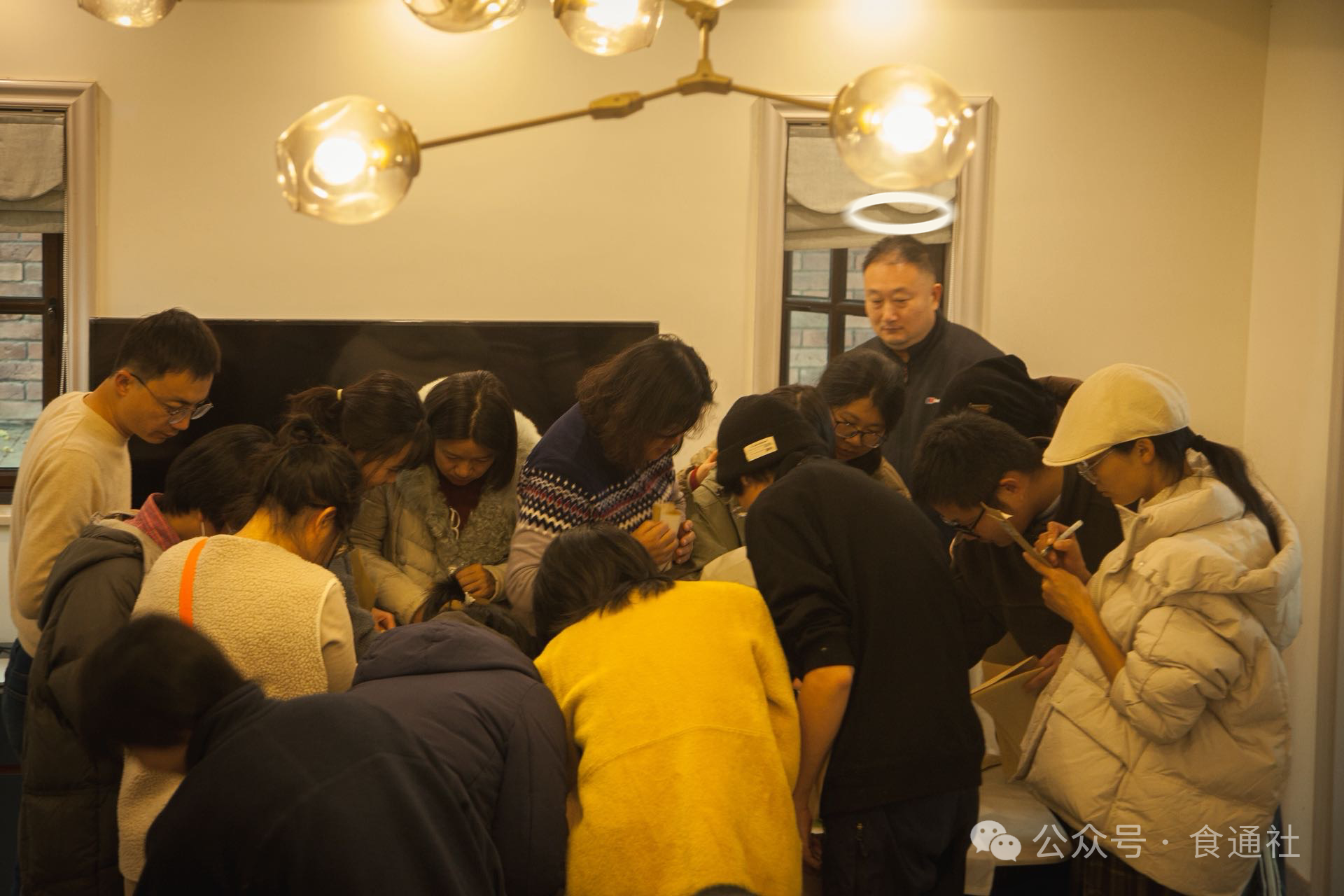
At Guangzhou’s Harvest Festival, Foodthink had nearly a hundred readers relay-write eight climate fiction (cli-fi) stories from article titles, screen a documentary on imported beef and lamb hitting the Qinghai pastoral area, and discuss fields and dining tables under extreme weather with fellow growers and documentary filmmakers.
Lamb prices have slumped for years and imported frozen meat has flooded the market, trapping generations of Qinghai Lake herders in revolving debt: some sold their yaks at a pittance to deliver food in town; others carry 200,000-yuan loans, hoping each year for sheep prices to rebound.
“Scientific farming” in rural Northeast China is shaped largely by agri-supply dealers bundling drones with fertiliser. Maize fell to 1.1 yuan per jin after harvest; farmers spraying twice versus five–six times saw almost no yield difference. More output never brought more income.