On a xu day in Lihu Yao Ethnic Township, I buy hemp seeds, sour meat and stuffed tofu with White Pants Yao locals, then watch pao sha and golden silk silkworms spinning silk at the wall-less Ecomuseum – one market connecting farming, weaving and the whole valley’s daily life.
A graduate of the University of Gastronomic Sciences, Pollenzo, recalls the days spent with Petrini in Bra, and the voices in the Slow Food movement yet to be heard.
Foodthink’s three-day co-learning camp (4–6 June, Yangqiao Village, Lianhua County, Pingxiang, Jiangxi), featuring two technical advisors with over twenty years in ecological agriculture, threads soil, plants and animals as theoretical lines through hands-on composting and liquid fertiliser, plus market discussion, for 20 small- and medium-scale ecological farmers.
Brazil’s Landless Workers’ Movement (MST) built Concentra in Belo Horizonte, pooling market support work — compliance certification, warehousing, logistics — so dispersed smallholder produce can reach market at scale. Not easily transplanted, the experience points to a key path: turning what no individual can shoulder alone into collective capacity.
Foodthink’s sixth round of the Lianhe Programme small action grants is open to farmers, cooperatives, community self-organisations and others. Priority goes to local projects helping smallholders on the front lines of climate change. ¥5,000–¥30,000 in funding plus communications resources; applications close on 17 May.
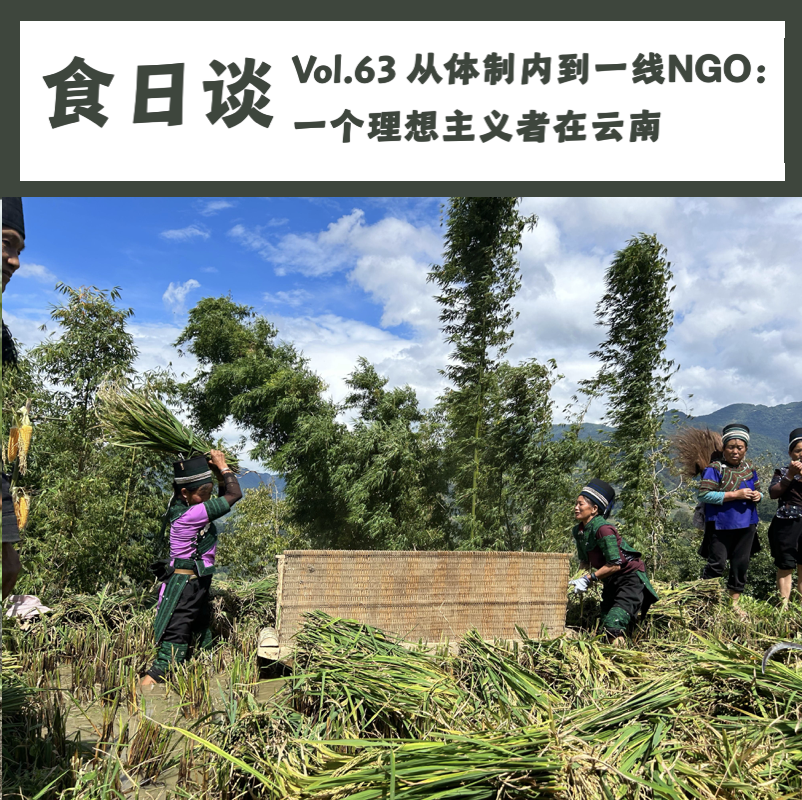
Leaving the public sector, Zuo Zhi, a post-1985 generation member, dove into Yunnan’s villages, teaching farmers to use fewer pesticides and grow heritage rice varieties, trading a cup of liquor for their trust, and building a bridge between government and the fields for climate-friendly agriculture.
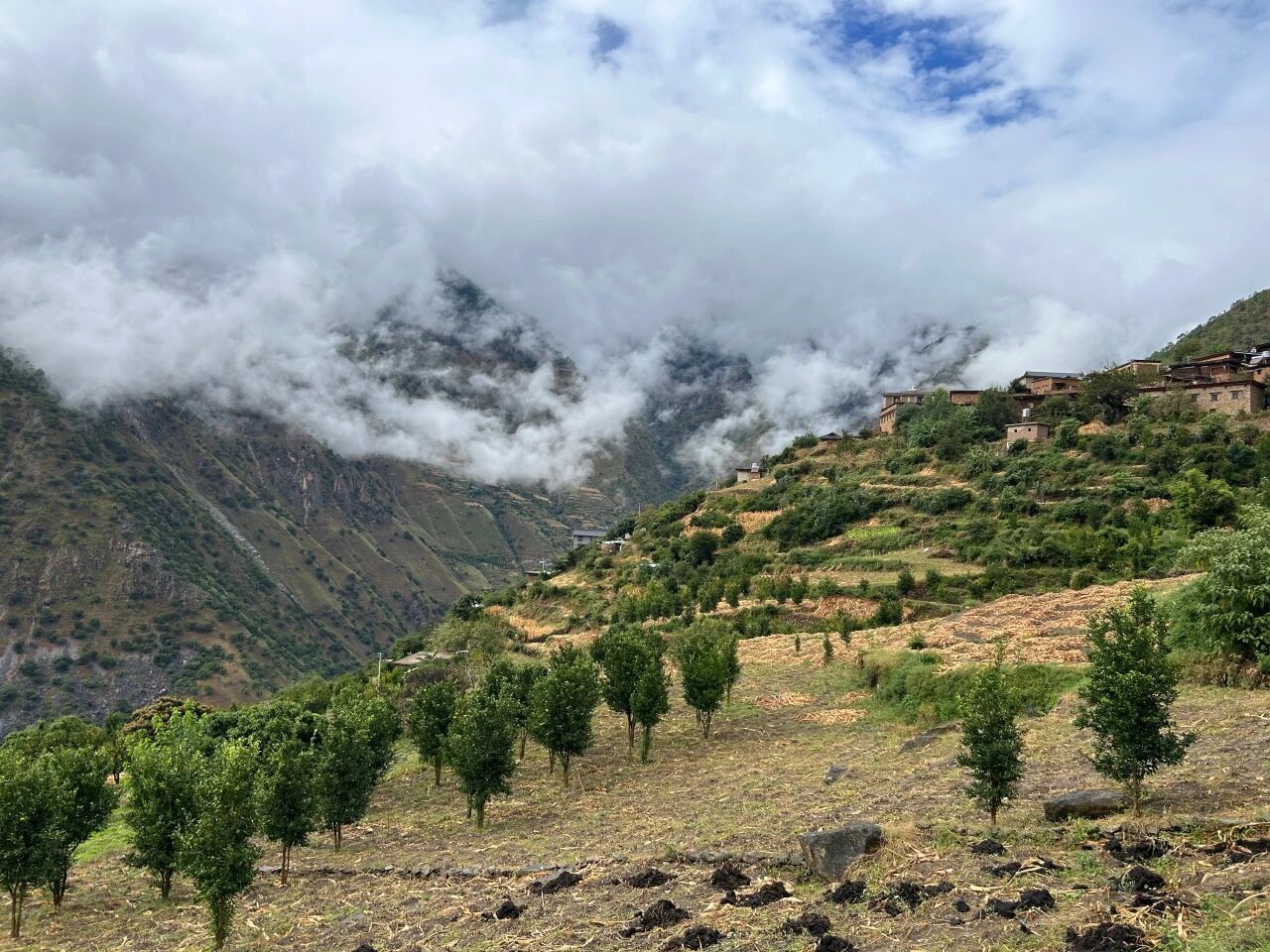
The women who stayed behind in Youmi Village, a Mosuo settlement in Lijiang, are using Sickle-grain rice, an old upland rice variety from the Jino, to grow rice again on hillside slopes growing ever drier—and to keep alive the cultural memory behind rice farming.
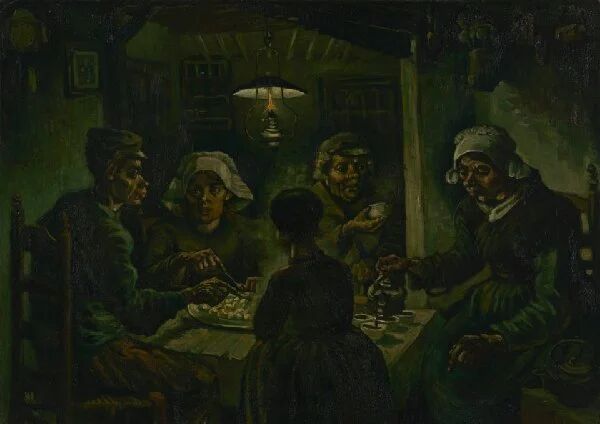
Mercosur and the EU formally signed their free trade agreement after nearly ten thousand farmers hurled potatoes at EU headquarters in Brussels. Grain-price trauma, double environmental standards and transition costs stack up—fairly, who bears the cost of green transition? China’s low-carbon agriculture faces the same question.
A small strip of clay by the courtyard wall of our Hangzhou studio: after seven batches of hot compost made from saved kitchen scraps and coffee grounds, the ground, hard as rammed earth, has loosened into black soil that opens with a single spade.
Yu Jiangang and his wife Mei Yuhui made silk duvets in Zhenghebang for over a decade. An osmanthus silkworm poisoning in autumn 2024 led him to lease 14 mu of rice paddies – from seedling to Lidong harvest, four rounds of hand-weeding, a nearly 180-day life cycle complete.